
We all have come across the term blockchain technology several times. But only a few know about its diverse applications beyond cryptocurrencies and financial use cases. Research says that the investment in this field is about to surge higher and by the end of 2024, corporations will spend nearly $20 billion per year on various blockchain-related services and technologies.
Not only that, 74% of the technical executive teams claim to see high business potential in blockchain technology. But what’s the catch? Have you ever wondered why blockchain technology has been on the forefront for a while now? Well, one of the main reasons behind it is - that the applications of blockchain technologies are not only confined to a handful of sectors but even beyond that.
While the financial sector holds more than 60% of the present market value for blockchain technologies, there are innumerable other sectors that accounted for the growth of the blockchain market. What are the uses of blockchain technology? To give you a thorough overview of this, we have listed the top 10 evolving and emerging applications of blockchain technology in this blog.
Also Read: Best NFT Marketplaces in 2022
Top 10 Applications of Blockchain Technology in 2022
Blockchain technology is being used at an increasing rate across several sectors. Based on our research, here’s a list of the top 10 applications of blockchain technology in 2022.
1. Monetary Transactions
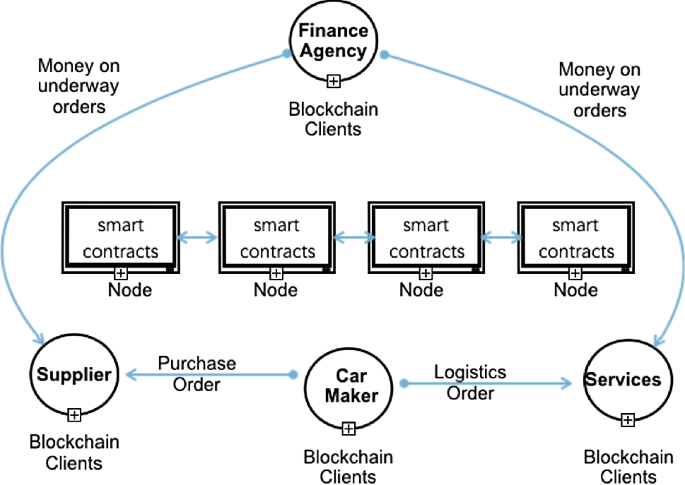
Gone are the days when traditional online transfers used to be the only way to execute cross-border transactions. Cross-border transactions refer to the transfers of various tangible and intangible entities including services, goods, properties, and others among individuals or business entities such as companies or institutions.
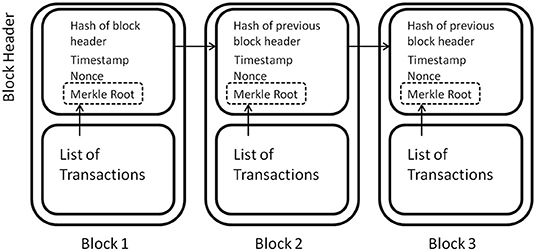
Using blockchain technology one can ensure that such monetary transactions are secure, fast, and streamlined. For instance, the transactions that take days to be executed even in the U.S financial system, take just a few minutes and can be performed even more securely with the use of blockchain.
2. Real Estate
Real estate transactions involve confidential information, sensitive data, and a lot of related paperwork that require optimum security. Blockchain technologies play a vital role in the real estate sector when it comes to paperwork, ownership transfer, monetary transactions, or the exchange of confidential or sensitive data. It lets one verify all such data, reduces time, and minimizes expenses.
Also Read: How to Create an NFT Marketplacer?
3. Medical Information Sharing
The medical sector comprises a lot of vital information and data from different segments - patients’ personal information, past health history, data associated with their test results, information and credentials related to doctors and other medical staff, confidential information for authentication purposes, and many more. It is clear that such data must not be altered, deleted, hacked, or compromised in any way.
Conventional database management systems often do not suffice to meet all the strict security criteria. And this is why blockchain technology has made its place in medical information sharing so that data storage, access, and sharing, all can be done in a highly secure way in this sector.
4. Non Fungible Tokens (NFTs)
We already know about the rising craze for NFTs. NFTs are unique cryptographic tokens existing on blockchains and representing various real-world objects or content such as music, arts, clothing, tweets, and many more. One of the most unique characteristics of NFTs is that they can’t be duplicated.
Keeping an NFT on a blockchain ensures that only a single unique piece of a specific content exists in the blockchain with particular ownership. NFTs and blockchains often come hand-in-hand as they are quite interrelated in this era of digital ownerships and cryptocurrencies.
5. Supply Chain Management
One of the leading applications of blockchain technology in supply chain management. Supply chain management in diverse sectors has become a more modified version of the traditional system with the help of blockchain technology.
Blockchain technology ensures that proper authentication and transparency are maintained during each transaction. It also helps in predicting the related fees, reducing additional costs as well as preventing fraudulent activities in supply chain management activities.
Also Read: How to Read Music App Like Spotify?
6. User Authentication
User authentication is one of the top applications of blockchain technology. Finance to IT - blockchain technologies are used in various sectors where user authentication plays a vital role.
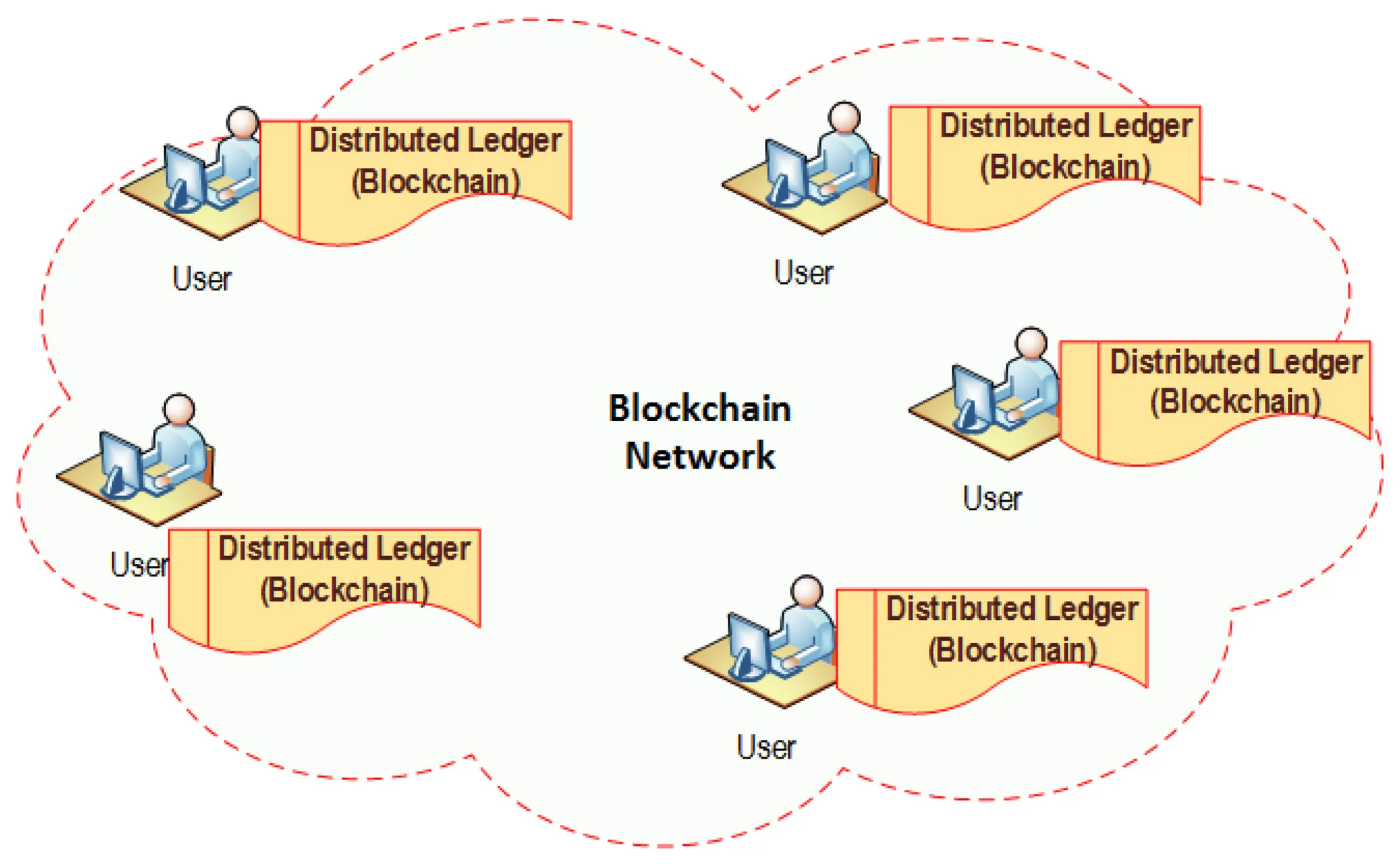
Here the distributed ledger that stores unique user credentials and information ensure the security of each block. As a result not only the user authentication process can be executed seamlessly, but also incidents like data breaches or data hacking can be prevented.
7. E-commerce
Most people are yet to be aware that blockchain technology is also getting applied in the e-commerce sector. With the introduction of blockchain technology, the e-commerce sector has transformed drastically.
Many e-commerce businesses have started operating in the same medium as blockchain and have implemented multiple secure payment options using blockchain technology. As more e-commerce players, as well as customers, are getting aware of the perks of using blockchain technology in e-commerce, it is likely to be used at an increasing rate in a majority of the mainstream e-commerce businesses in the coming years.
8. Banking & Finance
This is definitely one of the most interesting and widespread applications of blockchain technology. On one hand blockchain technology is being used in this sector owing to higher security, authenticity, and other related purposes.
And on the other hand, its increasing usage in this sector can bring a major change in the existing banking & finance sector. The traditional banking and finance sector is quite opaque in terms of its operability as well as related transactions. But blockchain technologies are meant to bring more transparency to the existing system. This paradox is making its applicability in this sector a topic to debate.
9. Human Resources
Some of the most common and frequently executed tasks in the HR departments are - verifying various information related to their candidate during hiring as well as verifying relevant credentials during the payroll activities. While the manual verifications are quite obsolete, using traditional digital systems is not enough to ensure complete authentication.
Also, an additional layer of security is needed to store and maintain all such data. And that’s where blockchain technology becomes relevant in this field. Verifying candidate information for faster and error-free payroll execution - everything gets simplified by using blockchain technology.
10. Government & Administration
From health insurance to welfare programs - unique and authenticated data also require optimum security. None other than a blockchain system can meet such requirements in this sector. Not only do fraud detection and digital disbursement become easier, but also all the information/data verification, exchange, transaction, and storage gets highly secure, authenticated and every related activity gets more streamlined.
Takeaway
The applications of blockchain technologies are getting broader day by day. Technical advancements and growing awareness have made it even more popular across diverse sectors. Not only it helps businesses, stakeholders or government entities, but also improves the customer experience with its unique solutions. No doubt that blockchain technology will be accepted even in a more universal way in the near future.

Are you searching for a blockchain application development company? Experience, expertise, and professionalism - these all should be your first priority. With Third Rock Techkno, you can easily launch any product be it an app, website or any other products. Our professionals with years-long technical expertise provide a complete solution that includes planning to MVP creation to launching. Take a glimpse of our portfolio and drop us a line to start earlier.