Choosing an EdTech platform in Saudi Arabia isn't like choosing one anywhere else.
Most comparison articles just list the global brands Moodle, Canvas, Blackboard, and Google Classroom without addressing what Saudi institutions actually need. Arabic-first interfaces that genuinely work in RTL. Alignment with the Saudi Ministry of Education curriculum.
The ability to handle segregated male and female access configurations. Integration with national systems like Madrasati. And increasingly, AI-powered personalization that doesn't fall apart when the content is in Arabic.
Get those things wrong, and the platform fails regardless of how good it looks in a demo.
This guide covers the platforms actually being used across Saudi schools and universities, what each one does well, where it falls short, and how to think through the decision for your specific institution.
TLDR: Platform Quick Reference
What Makes the Saudi EdTech Market Different
Before you evaluate any platform, it helps to understand what makes Saudi Arabia's education environment distinct because these factors narrow your options significantly.
Scale. Saudi Arabia's public K-12 system serves approximately 6.7 million students across 28,000+ schools. Even mid-sized institutions here are large by any global standard. Platforms need to handle that load.
The Vision 2030 context. The Human Capability Development Program, one of Vision 2030's core initiatives, has committed substantial funding to modernizing education infrastructure. That means government buyers move faster than in many markets, but they also move with specific requirements attached.
Madrasati is the national default. For public K-12 schools, Madrasati, the Ministry of Education's official e-learning platform, is the mandated starting point. Any EdTech conversation for public schools begins there. Private schools have more flexibility.
Arabic isn't optional. In public schools, Arabic is the language of instruction. The difference between a platform with real Arabic support and one with a bolted-on RTL translation layer is immediately obvious to teachers and students. Right-to-left text rendering, proper Arabic typography, and UI logic that was built for Arabic, not reverse-engineered, are baseline requirements.
Curriculum diversity in the private sector. International and private schools run British, American, IB, and Indian curricula alongside the Saudi national framework. Platform flexibility matters if you're operating in this segment.
Segregated learning environments. Public schools in Saudi Arabia are gender-segregated. Some institutions need platforms capable of maintaining separate access, administration, and data management for male and female campuses without requiring two completely separate deployments.
EdTech Platforms in Saudi Arabia: Platform-by-Platform Breakdown
Madrasati
The national platform for Saudi public schools.
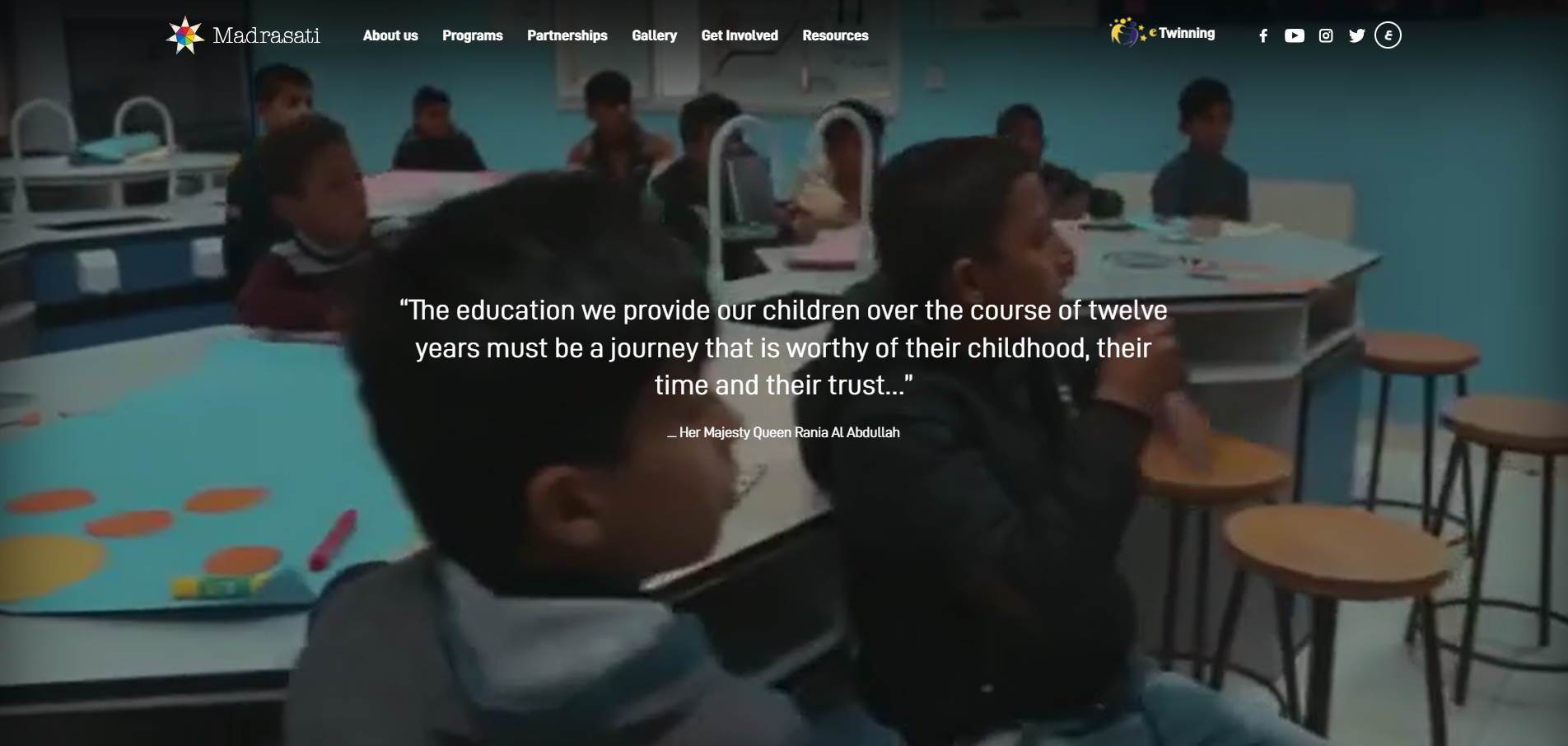
Madrasati was launched by the Saudi Ministry of Education in 2020, built in weeks when COVID-19 forced schools to close. What started as an emergency response has become the permanent digital backbone of Saudi public K-12 education.
The platform is built specifically around the Saudi national curriculum. Content is Arabic-first, assessments align with official learning outcomes, and the system integrates with the national student records infrastructure. For public schools, it's not a choice you make it's the infrastructure you work within.
What it does: Madrasati delivers recorded video lessons, live interactive sessions, homework assignments, quizzes, and parent progress tracking. Teachers can manage class rosters, share resources, and track completion rates. Students access curriculum-aligned content organized by subject and grade level.
What it does well: The Arabic-first design is genuine, not a translation layer. Integration with national student databases means enrollment and rostering are largely automated for public schools. Scale is not a problem; the platform handled millions of concurrent users during COVID peak periods.
Where it has limits: Madrasati was built for standardized national curriculum delivery. If your institution runs a non-standard curriculum, wants deep analytics customization, or needs advanced AI-powered personalization, the platform's flexibility is limited. Private and international schools will find it too constrained for their needs.
Best for: K-12 public schools running the Saudi national curriculum. It's the foundation, not just an option.
Moodle
The open-source workhorse of Saudi higher education.
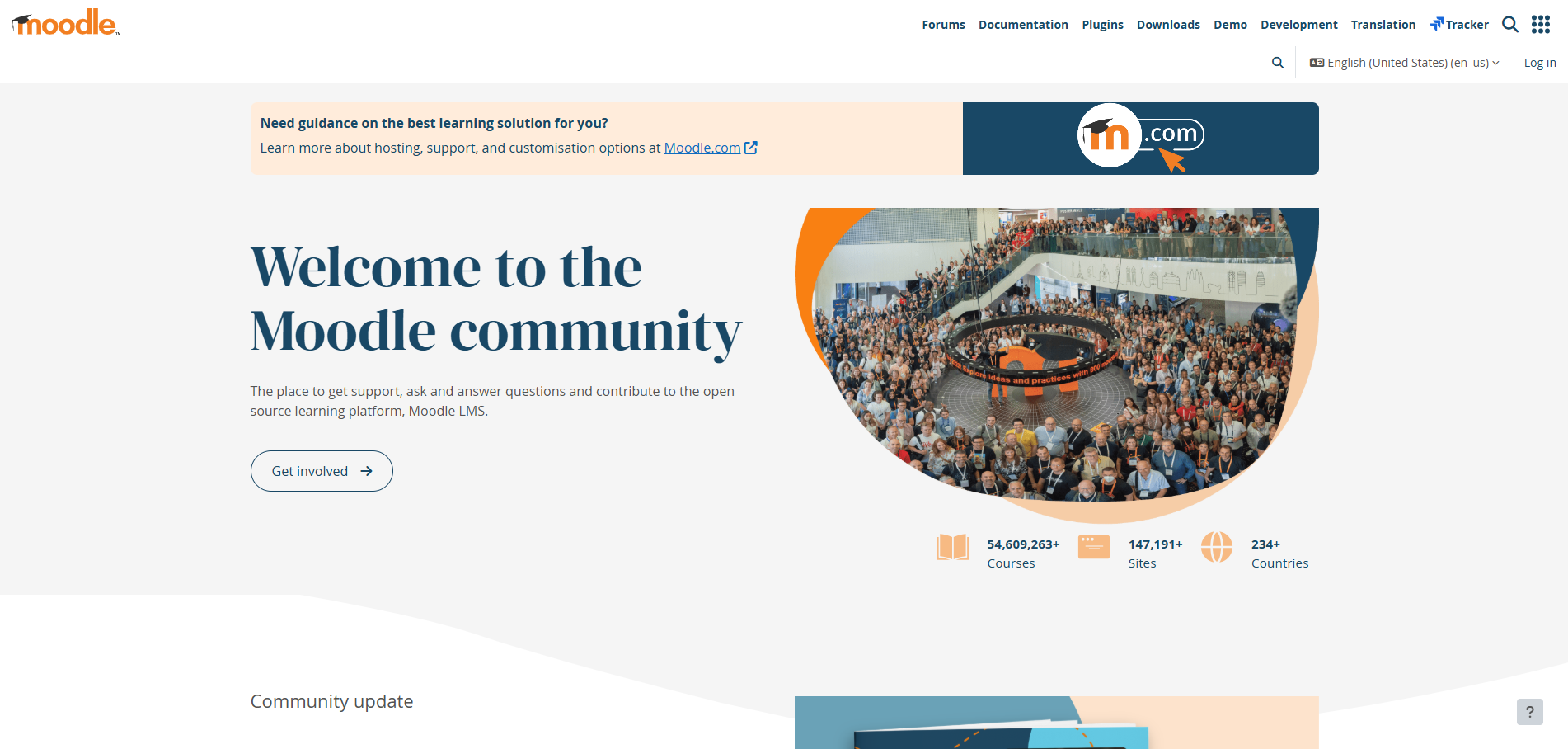
Moodle is the most widely used LMS across Saudi universities. King Abdulaziz University, King Fahd University of Petroleum & Minerals (KFUPM), and dozens of other institutions run Moodle as their primary learning management system.
Its appeal is straightforward: maximum flexibility, no licensing fees, and 2,000+ plugins that let institutions build almost any workflow they need.
What it does well: Moodle handles complex academic workflows—course creation, assignment submission, rubric-based grading, discussion forums, synchronous session integration at an institutional scale. Its open architecture means you can customize deeply if you have the technical team to support it.
Where it has limits: Moodle's Arabic RTL support works, but it requires deliberate configuration. Out of the box, the interface reflects its Western-built origins.
It also looks dated compared to newer platforms, which matters for student adoption. And without a dedicated IT team managing hosting, updates, and customization, the "free" platform quickly becomes expensive in staff time.
Best for: Saudi universities and higher education institutions with capable IT departments that want maximum control without vendor lock-in.
Canvas
The modern academic LMS for structured programs.
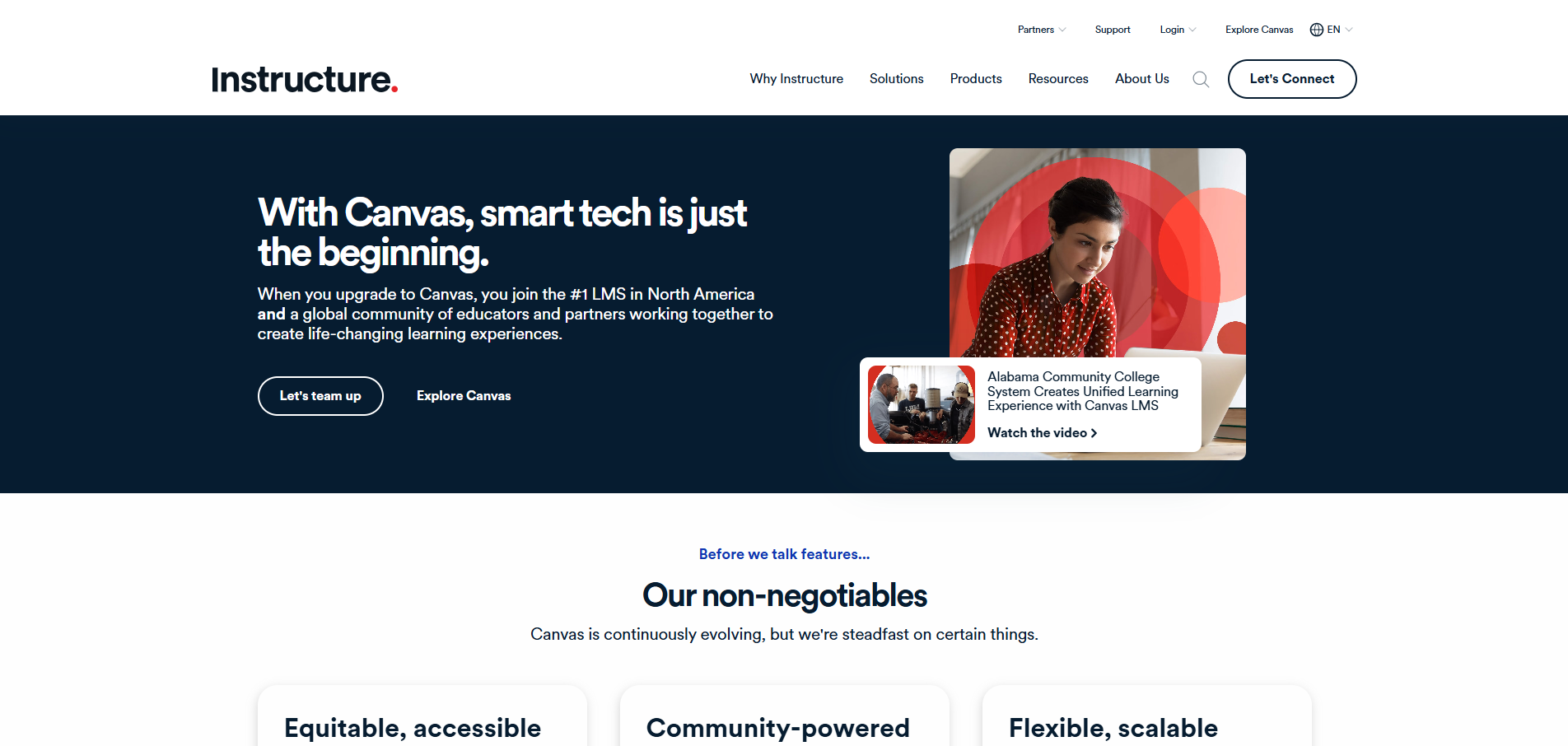
Canvas, developed by Instructure, has strong adoption across Saudi private universities and international schools. Its clean interface and robust analytics set it apart from Moodle's more complex experience.
What it does well: Canvas is genuinely intuitive educators can build structured courses without technical training, and students find it easy to navigate. SpeedGrader makes assessment feedback faster. Its integration ecosystem is extensive, connecting with plagiarism detection tools, video platforms, and student information systems.
Where it has limits: Arabic RTL support in Canvas is limited compared to regionally-built platforms. For institutions where Arabic is the primary language of instruction, this creates friction. Canvas is also premium-priced, significant for institutions managing tight budgets.
Best for: Saudi private universities and international schools running English-medium or IB/American curricula, where clean UX and structured academic workflow matter more than Arabic-first design.
Blackboard Learn
The established enterprise choice for large universities.
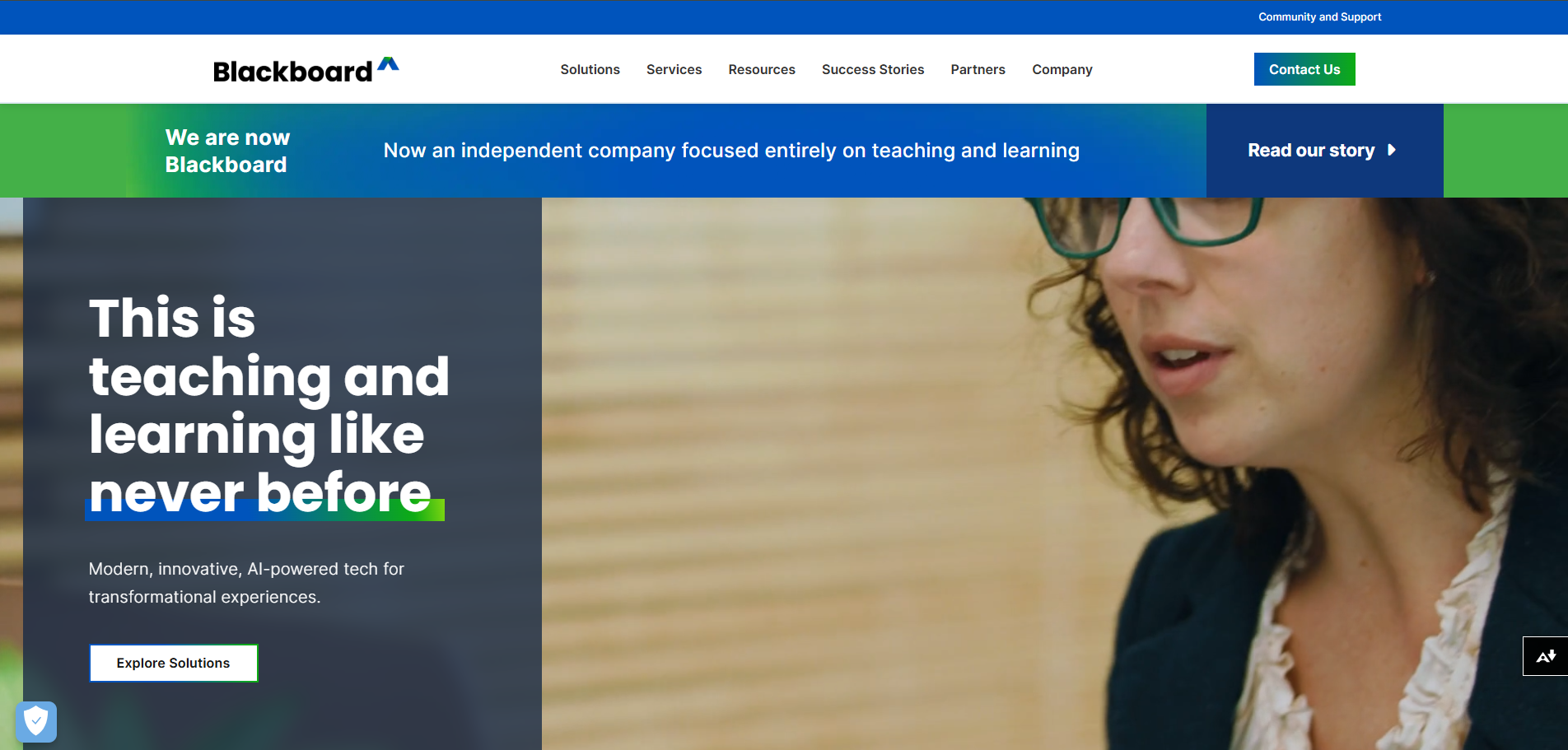
Blackboard has decades of presence in Saudi higher education. King Saud University and several other large public universities have run Blackboard deployments for years, though some are transitioning to other platforms as the market evolves.
What it does well: Blackboard's strengths are in formal, structured academic environments, content management, assessments, gradebook, announcements, and compliance-ready audit trails. Institutions already invested in the Blackboard ecosystem have deep familiarity.
Where it has limits: The interface feels dated compared to Canvas, and Arabic support is limited. Blackboard has also repositioned its product line multiple times, creating uncertainty for long-term institutional planning. New entrants to the Saudi market would rarely choose Blackboard over Canvas or Moodle today.
Best for: Large Saudi universities already embedded in the Blackboard ecosystem, where migration cost outweighs the benefits of switching.
Google Classroom
The accessible, zero-friction option.
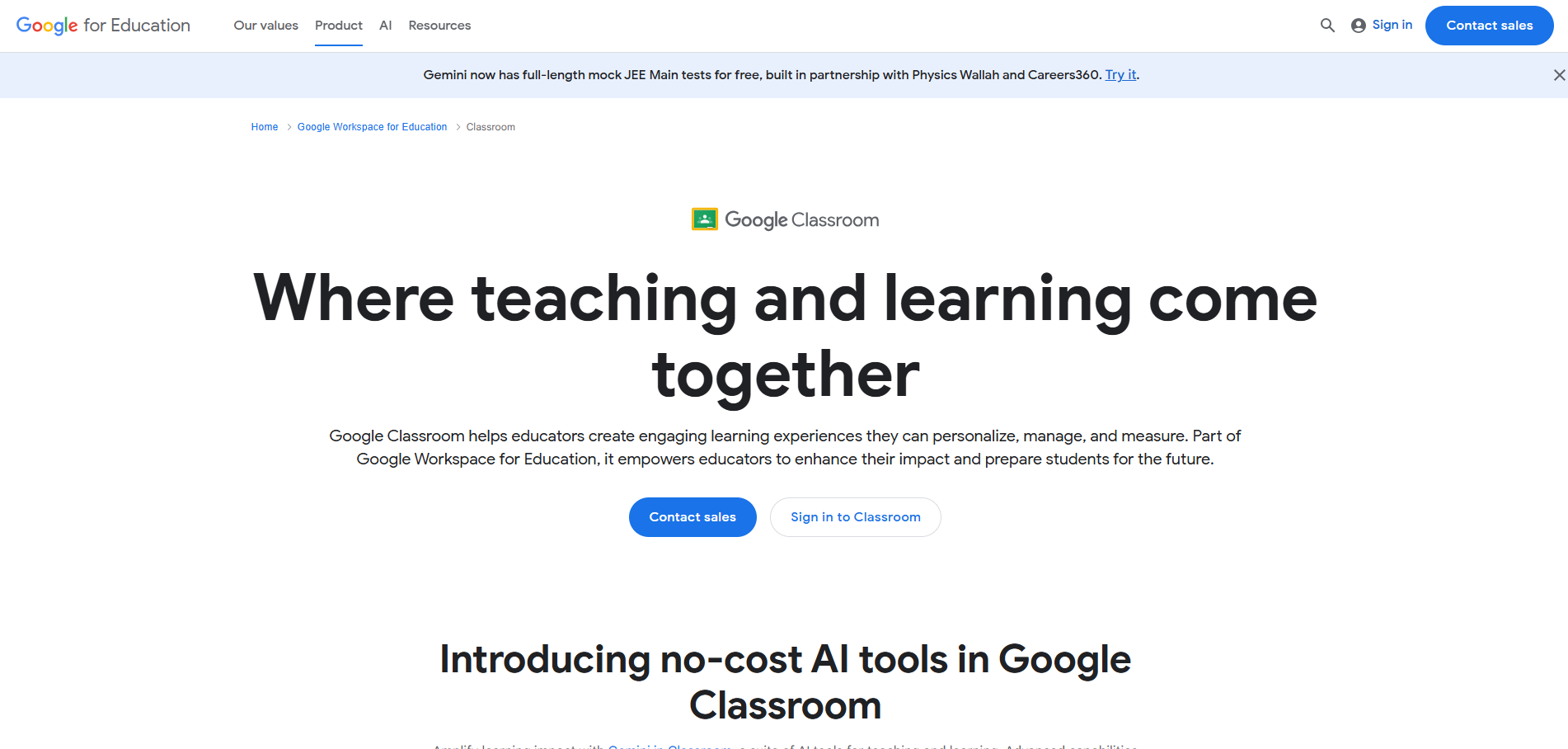
Google Classroom has strong adoption across Saudi private and international schools, particularly those already running Google Workspace for Education. Its simplicity is its greatest asset.
What it does well: Setup takes hours, not months. Teachers create assignments, distribute them to class rosters, collect submissions, and give feedback, all in an interface most educators already know. Google's Arabic language support is genuinely good, with clean RTL rendering throughout the Workspace ecosystem.
Where it has limits: Google Classroom isn't a full LMS. It lacks the course structure, assessment variety, advanced analytics, and workflow automation that larger institutions need.
It also requires commitment to the Google ecosystem, and some Saudi institutions have data residency concerns about US-based cloud infrastructure.
Best for: Private K-12 schools, budget-conscious institutions, and settings where quick deployment and ease of use matter more than comprehensive LMS features.
Microsoft Teams for Education
The collaboration-first approach for Microsoft ecosystems.
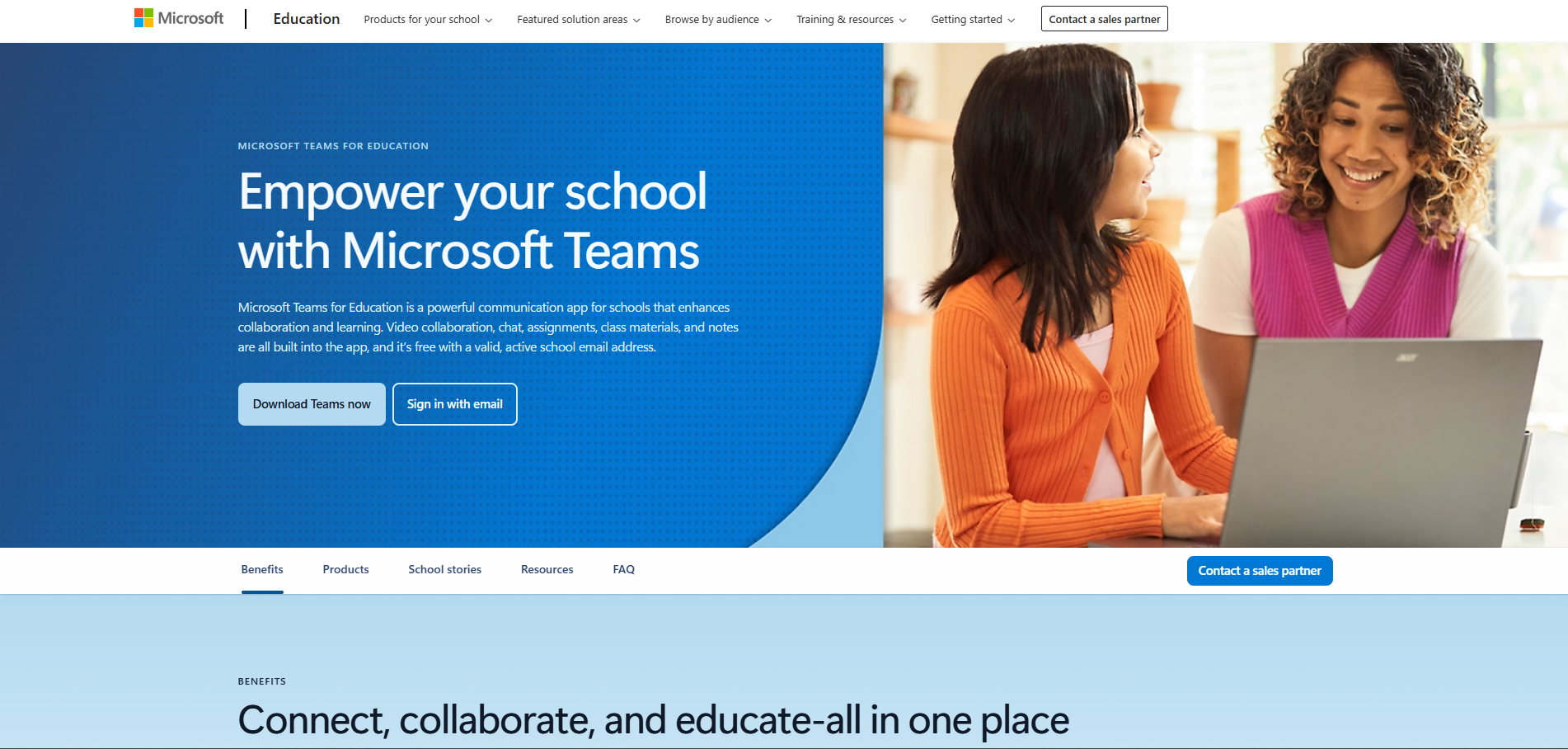
Teams for Education has grown rapidly in Saudi schools that already use Microsoft 365. It handles live classes, digital assignments, collaborative documents, and parent communication within a unified platform.
What it does well: If your institution is already running Microsoft 365, Teams is a natural extension. Arabic support through the Microsoft language stack is strong. The virtual classroom experience, breakout rooms, whiteboard tools, and recording are mature. Microsoft Class Notebook (OneNote integration) provides a well-designed digital workspace for students.
Where it has limits: Teams is fundamentally a collaboration platform that has been extended for education, not an LMS built from the ground up for learning management.
For institutions that need structured course delivery, formal assessments, and learning analytics, Teams alone will fall short.
Best for: Saudi schools with existing Microsoft 365 investments that want a unified digital learning environment without adopting an entirely new platform.
Noon Academy
Saudi Arabia's home-grown social learning platform.
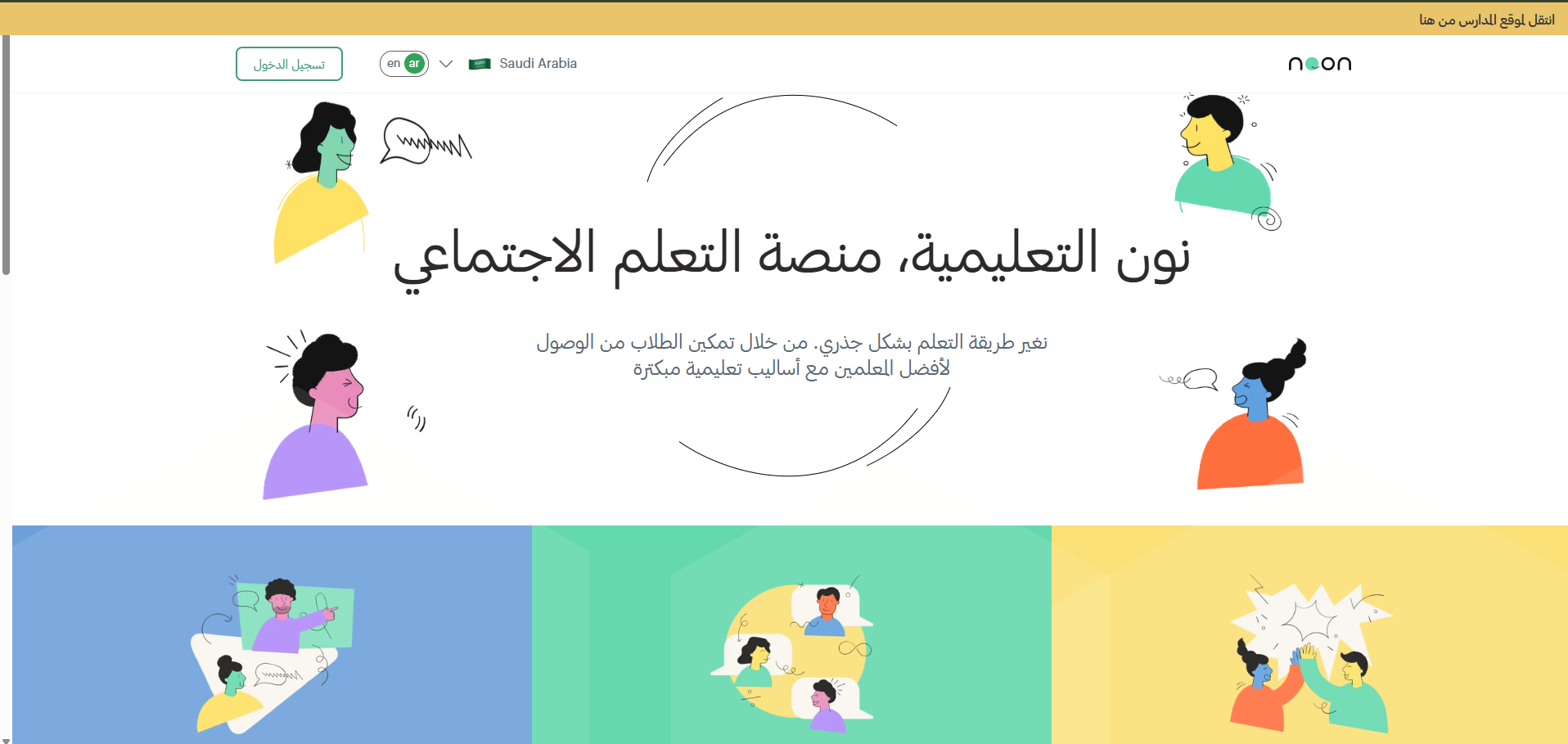
Noon Academy is one of the most significant EdTech success stories to come out of Saudi Arabia. Founded in Riyadh in 2013, it has grown into one of the leading supplemental learning platforms in the Arab world, having raised $41 million in Series B funding and expanding across GCC and MENA markets.
Noon Academy's model is distinct: it's a social learning platform where students attend live classes taught by peer tutors and certified teachers, earn points, and compete on leaderboards. It's not a school LMS, it's where students go after school to prepare for exams and reinforce what they've learned.
What it does well: Arabic-first by design, built specifically for Saudi and Gulf students. The gamified social model drives unusually high engagement—students come back voluntarily, which is rare for a learning tool.
Exam preparation content (university entrance, Saudi national exams) is deep and well-structured. Free access makes it accessible to students across income levels.
Where it has limits: Noon Academy is a supplemental platform, not a school or university LMS. It's not a system for managing courses, assignments, or institutional administration. Using it as your primary EdTech platform isn't what it's designed for.
Best for: K-12 students seeking supplemental learning and exam prep. Schools recommending or incorporating Noon as a student resource alongside their primary LMS.
Edraak
Arabic MOOCs for higher education and professional learning.
Edraak is the Arab world's leading Arabic-language MOOC platform, operated by the Queen Rania Foundation and partnered with Coursera for global course access. It has significant traction in Saudi Arabia for higher education, professional development, and lifelong learning.
What it does well: Edraak offers genuinely high-quality Arabic-language course content across subjects, including business, technology, Arabic language skills, and professional development.
For Saudi universities looking to supplement their formal curriculum with structured open courses, or for organizations running workforce development programs, Edraak is one of the few platforms with content depth in Arabic.
Where it has limits: Edraak is a course marketplace and MOOC platform—not an institutional LMS. It can't replace the administrative, assessment, and course management infrastructure a school or university needs.
Best for: Higher education institutions supplementing curriculum with Arabic-language open content. Organizations running professional development programs in Arabic.
Alef Education
AI-powered personalization for K-12.
Alef Education, originally built for UAE public schools, has expanded into Saudi Arabia. Its AI-powered personalization engine adapts learning paths based on individual student performance, detecting where students struggle and adjusting content delivery in real time.
What it does well: Alef's adaptive learning approach produces measurable academic improvements. The platform's Arabic-first design is native, not translated. For schools that have moved beyond basic content delivery and want AI-driven personalization at scale, Alef is the most advanced regional option available.
Where it has limits: Alef is primarily designed for K-12 and is best suited to schools running structured national curricula. Implementation requires school-level commitment and isn't a plug-and-play tool for individual educators.
Best for: Saudi private K-12 schools seeking AI-powered adaptive learning with genuine Arabic support.
Pricing: Not published publicly. Contact Alef Education directly for institutional pricing.
Not sure which platform fits your institution?
The answer depends on your curriculum, technical capacity, and budget, and the right starting point isn't always obvious.

How to Choose: A Decision Framework
Platform selection decisions go wrong in a predictable way: institutions pick based on brand recognition or price alone, without mapping platform capabilities to what their specific situation actually requires. Here's how to approach it more systematically.
Start with your primary use case.
Consider your technical reality.
A platform is only as good as your capacity to run it. Moodle gives maximum control, but someone needs to manage the server, apply updates, configure plugins, and troubleshoot integrations.
If your institution doesn't have dedicated IT staff, Moodle's theoretical advantages become practical headaches. Canvas and Google Classroom require far less technical overhead and are better fits for institutions without dedicated EdTech teams.
Evaluate Arabic language requirements honestly.
Don't accept a vendor's claim of "Arabic support" at face value. Test it yourself:
- Switch the interface to Arabic and check RTL rendering throughout
- Enter Arabic text in assessment fields and confirm it displays correctly
- Run a sample lesson in Arabic and observe where the interface breaks down
- Ask specifically about Arabic NLP in any AI-powered features
Platforms built for Arabic (Madrasati, Noon Academy, Edraak, Alef Education) behave fundamentally differently from platforms that added Arabic as an afterthought.
Think about integration requirements early.
Your platform needs to talk to other systems—student information systems for enrollment and grade sync, parent communication tools, video conferencing for live sessions, and assessment platforms for standardized testing. Discovering integration gaps after committing to a platform is expensive. Map your integration requirements before evaluation, not after.
Match scale to platform capability.
Ready to map the right platform to your institution?
We've helped educational institutions across Saudi Arabia and the GCC navigate exactly this decision
The Custom Platform Question
At some point, many Saudi institutions ask: Should we just build our own?
It's a reasonable question, especially when existing platforms don't handle your specific curriculum, require workarounds for Arabic, or can't integrate with your student information systems the way you need.
When off-the-shelf works:
If you have a standard curriculum, reasonable technical resources, and a deployment timeline measured in weeks, existing platforms will serve you well. Starting with an established platform also lets you discover what features actually matter for your institution before committing to a major development investment.
When custom makes sense:
Scale justifies the investment. A platform serving 3,000+ students annually has a very different ROI calculation than one serving 300. Complex integration requirements that off-the-shelf platforms can't meet, custom student information systems, government reporting APIs, and legacy school management software often push institutions toward custom development.
And if your curriculum or pedagogical approach is genuinely unique, a platform built around it will always outperform one where it's an afterthought.
Arabic-first design is another trigger. If your institution's primary language is Arabic and you need AI features that work well in Arabic adaptive content, NLP-based feedback, Arabic-language assessment analysis, the gap between what global platforms offer and what you actually need can be large enough to justify building.
The hybrid path many institutions take: Start with an existing platform to get operational quickly. Use it to clarify what features actually drive learning outcomes at your institution. Then build custom once you have the data to justify it and the requirements to specify it properly.
Conclusion
The Saudi Arabia EdTech market has real depth in 2026, from a government-built national platform to globally recognized LMS systems, regionally-built AI tools, and homegrown Saudi platforms that have proven at scale.
The mistake most institutions make isn't picking a bad platform. It's picking a good platform for the wrong reasons, brand recognition, a compelling demo, or price alone, without doing the work of matching platform capabilities to their specific curriculum, technical capacity, and Arabic language requirements.
Build a Custom EdTech Platform for Saudi Arabia
At Third Rock Techkno, we build custom learning platforms for educational institutions when off-the-shelf solutions don't quite fit, handling the requirements that matter most in the Saudi market: genuine Arabic RTL support, PDPL-compliant data architecture, integration with national systems, and AI-powered features that actually work in Arabic.
If you're evaluating whether custom AI development makes sense for your institution or need to extend an existing platform with capabilities it doesn't have, let's talk.
FAQs
What is the most used EdTech platform in Saudi Arabia?
For public K-12 schools, Madrasati is the dominant platform—it's the Ministry of Education's official system and is used across the public school network. For universities, Moodle and Blackboard have the widest adoption. In the private school sector, Google Classroom and Microsoft Teams are common alongside more specialized platforms.
Does Madrasati work for private schools?
Madrasati is primarily designed and optimized for Saudi public schools running the national curriculum. Private and international schools with different curricula will typically find it too constrained.
Which EdTech platforms support Arabic properly in Saudi Arabia?
Platforms built natively for Arabic, such as Madrasati, Noon Academy, Edraak, and Alef Education, provide the strongest Arabic support, including correct RTL rendering, Arabic-first UX design, and content developed in Arabic.
What EdTech platforms do Saudi universities use?
Saudi universities most commonly use Moodle, Blackboard, and Canvas for learning management. King Abdulaziz University and KFUPM have historically run Moodle. Some newer or more internationally-oriented universities have adopted Canvas.
Should a Saudi institution build a custom EdTech platform or use an existing one?
Custom development makes sense when scale justifies the investment (typically 1,000+ students), when your Arabic language AI requirements aren't met by available platforms, when complex integrations with national systems are needed, or when your curriculum or pedagogy is genuinely unique.