

Quick answer
Gen-AI writing assistants help students and teachers draft, edit, give feedback and generate learning materials faster. In education they support writing instruction, lesson planning and grading — but work best with clear guardrails around originality, accuracy and academic integrity.
The Evolution of AI Solutions for Writing Support in the Digital Age
In today's rapidly evolving educational landscape, generative AI is creating unprecedented opportunities to enhance teaching and learning.
Among these innovations, AI writing assistants stand out as powerful agentic AI tools that promise to revolutionize how students develop critical writing skills while optimizing educators' workflows.
As institutions face growing class sizes and teachers navigate increasing demands on their time, these AI integrations offer compelling solutions that could reshape educational practices through intelligent automation and personalized guidance.
Understanding AI Agents for Writing Enhancement
AI writing assistants leverage advanced natural language processing capabilities to provide personalized support throughout the writing process.
Unlike simple grammar checkers of the past, today's AI chatbots for writing can understand context, evaluate complex structural elements, and provide substantive feedback on content quality.
These LLM-powered systems analyze writing patterns to deliver actionable insights, helping students improve their writing skills while providing educators with valuable assessment data.
Key Capabilities Driving Educational Transformation with AI Solutions
Content Generation Assistance Through Generative AI
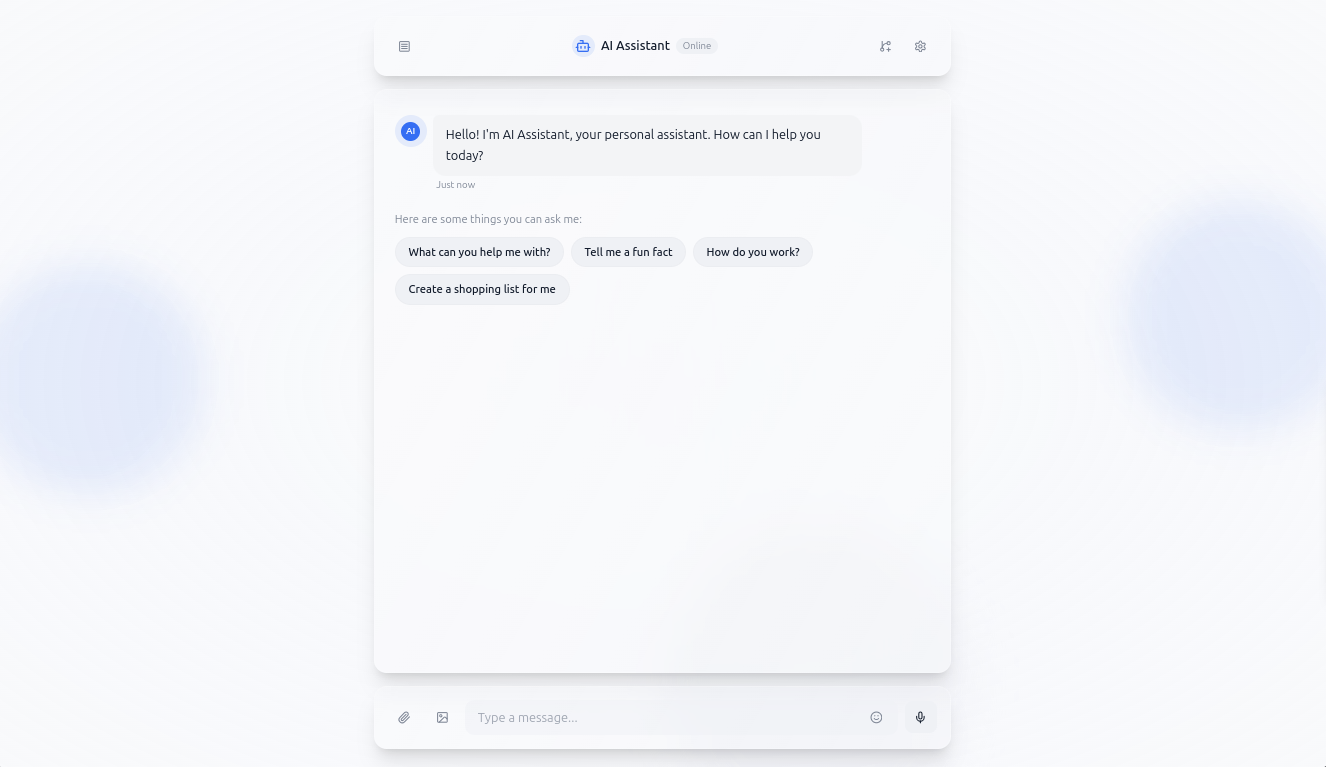
The AI writing assistant is an intelligent agent that supports students in the early stages of the writing process by generating sample essays or outlines based on provided prompts.
This capability helps students overcome writer's block and provides structural frameworks demonstrating effective argumentation and idea development.
By examining AI-generated examples, students gain exposure to varied writing approaches that can inform their work.
Students can interact with the AI chatbot using natural language prompts such as:
- "Generate an outline for an essay comparing renewable and non-renewable energy sources."
- "Show me an example introduction paragraph about the impacts of climate change."
- "Help me brainstorm supporting points for my thesis about digital privacy."
The AI Agent responds with contextually relevant suggestions that serve as learning tools rather than finished products for submission, encouraging students to develop their own critical thinking skills.
Comprehensive Review and Feedback Through NLP Capacity of the Gen AI Assistant
Perhaps the most transformative capability is the system's ability to evaluate student submissions across multiple dimensions through sophisticated LLM integrations.
The AI analyzes essays for grammatical accuracy, sentence structure, argument coherence, and overall readability.
Unlike traditional automated systems that focus solely on mechanical errors, these agentic AI assistants can:
- Identify logical inconsistencies within arguments and suggest alternative reasoning paths
- Evaluate the effectiveness of the evidence provided and recommend stronger supporting material.
- Analyze rhetorical strategies and suggest more persuasive approaches for specific audiences.
- Detect potential biases or one-sided perspectives in argumentative writing.
- Suggest stronger transitions between paragraphs to enhance overall coherence.
- Provide specific recommendations for strengthening thesis statements and conclusions.
The feedback process works iteratively, allowing students to submit revised versions and track improvement across multiple drafts. This mirrors professional writing workflows and teaches students the value of revision as an essential part of the writing process.
Readability Assessment and Enhancement with AI Tutors
The AI writing assistant provides quantitative readability scores using established metrics like the Flesch-Kincaid, SMOG, and Gunning Fog Index while offering concrete suggestions for improvement.
Students receive guidance on simplifying complex sentences, eliminating unnecessary jargon, and enhancing clarity.
The AI tutor component achieves this through:
- Sentence-level analysis that identifies overly complex constructions and suggests simpler alternatives.
- Vocabulary enhancement recommendations that balance precision with accessibility.
- Visual representation of text complexity using heat maps to illustrate difficult sections.
- Comparative analysis against grade-level appropriate benchmarks.
- Personalized improvement targets based on individual student progress.
- Adaptive learning pathways that focus on each student's specific readability challenges.
This feedback loop helps students understand what constitutes clear, effective communication across different contexts and audiences while building metacognitive awareness of their own writing processes.
Enhance Writing with AI-Powered Assistance
See how AI writing tools improve student learning with real-time feedback.

Educational Benefits Through AI Integration
The implementation of AI writing assistants in educational settings offers substantial benefits for all stakeholders in the learning ecosystem:
For Students: Personalized Learning Through AI Chatbots
AI tutors provide immediate, personalized feedback that enables iterative improvement without waiting for teacher evaluation.
This rapid response cycle accelerates learning and encourages students to take ownership of their writing development.
The objective nature of AI feedback also helps students focus on substantive improvements rather than defensive reactions to criticism.
Case studies from early adopters show promising results
- Increase in student revision activities when AI feedback is available.
- Students report greater confidence in their writing abilities after using AI writing tools.
- Significant improvements in structural coherence and argument development across multiple drafts.
The AI solution also helps bridge equity gaps by providing consistent, high-quality writing support to all students regardless of their access to tutoring resources or teacher availability.
For Educators: Workflow Optimization Through Agentic AI
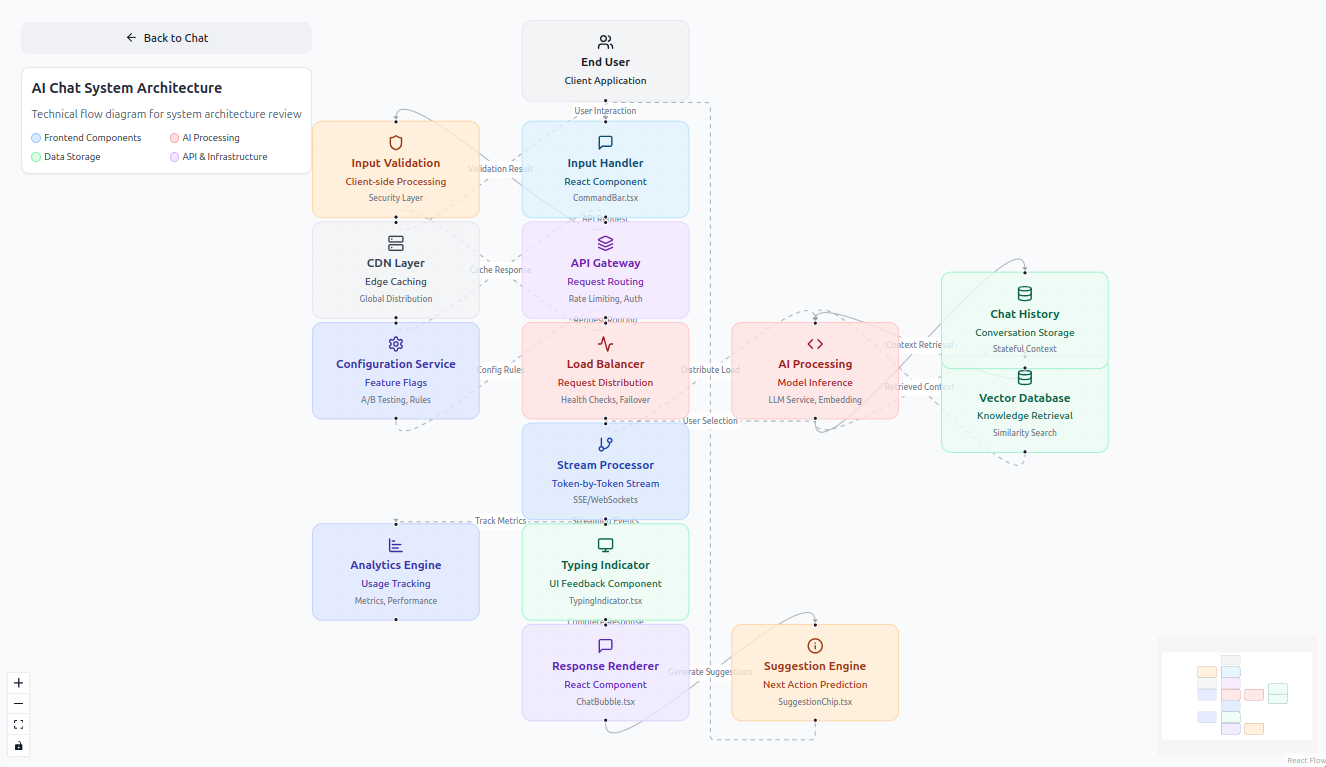
For educators, these Gen AI tools significantly reduce the time spent on routine aspects of essay evaluation, allowing greater focus on higher-level teaching activities.
Research indicates teachers can save 6-8 hours weekly on basic feedback tasks when using AI writing assistants effectively.
The agentic AI systems enable educators to:
- Access aggregated class-wide data identifying common writing challenges.
- Target instruction to address specific patterns of difficulty across student populations.
- Develop differentiated learning activities based on AI-identified skill gaps.
- Maintain robust records of student progress over time.
- Implement evidence-based writing interventions with greater precision.
- Focus human feedback on higher-order aspects of writing like creativity and critical thinking.
The technology also standardizes feedback quality across large student populations, ensuring educational equity while providing teachers with comprehensive data to inform instructional decisions.
Implementation Considerations for AI Agent Deployment
While the potential benefits are significant, educational institutions must approach implementation thoughtfully. Teacher training should emphasize how to integrate AI feedback into broader instructional strategies effectively.
Privacy considerations regarding student data must be addressed, and institutions should establish clear guidelines for appropriate use that maintain academic integrity.
Successful implementation typically follows these best practices:
- Phased rollout with teacher champions who can model effective use and train colleagues
- Clear guidelines for appropriate use that distinguish between AI as a learning tool versus a shortcut
- Transparent AI policies are communicated to students, parents, and all stakeholders.
- Regular assessment of impact through both quantitative and qualitative measures
- Integration with existing learning management systems for seamless workflow
- Ongoing professional development as AI capabilities evolve
Educational technology leaders should also consider technical requirements, including:
- Data security protocols that comply with educational privacy regulations.
- API integration capabilities with existing educational platforms.
- Customization options to align with institutional writing standards.
- Accessibility features ensure equitable access for all students.
The Future of AI-Assisted Writing Education
As LLM development advances, we can anticipate increasingly sophisticated capabilities that respond to student writing styles and learning patterns. Future iterations may incorporate multimodal feedback, including visual representations of essay structure and interactive revision suggestions.
Emerging trends in agentic AI for education suggest several promising directions:
- Integration of voice-based interactions for more natural tutoring experiences
- Adaptive systems that adjust feedback complexity based on student progress
- Cross-disciplinary writing support tailored to specific subject matter conventions
- Collaborative writing features enabling peer review guided by AI insights
- Multilingual support for English language learners and world language courses
The most promising development path will maintain the balance between technological assistance and authentic student voice, ensuring AI tools enhance rather than replace the critical thinking and creativity essential to effective writing.
Implement AI Writing Solutions in Your Institution
Ready to transform writing programs? Get a tailored AI solution today.
Conclusion
AI writing assistants are changing the game for educators, making it easier to enhance writing instruction while managing limited resources. These tools help tackle key challenges in education by offering consistent, constructive feedback and reducing the time teachers spend on routine corrections.
But like any new technology, success depends on how well it's integrated into the learning process. It’s not about replacing teachers, it’s about giving them more time to focus on what really matters: fostering creativity, critical thinking, and meaningful student engagement.
For schools and institutions looking to embrace this shift, AI writing support has the potential to improve student learning, ease teacher workloads, and promote more equitable education. The future of writing instruction isn’t just digital, it’s smarter, more efficient, and still deeply human. If you are looking to integrated AI in your system contact us today!