
There was a time when we were naive to AI and its significance in various industry domains. But, as we see the paradigm shift in the market with technological advancements, AI has become a boon. AI has penetrated every niche, including healthcare, for good. The amalgamation of AI with the healthcare sector is gaining attention from researchers.
While AI is blamed for nabbing many job profiles and reducing human labor, it still has created many user opportunities. In the healthcare sector, AI is used for multiple means like examining patients, treating complex diseases. AI is reshaping how we diagnose, heal and monitor patients by every means and making it easy for health professionals to maintain patient data with electronic health records.
According to the data of Grand View Research, the compound annual growth rate of AI in US healthcare is 36.1%.
The data shows the growth pace of AI in the healthcare sector is increasing and is all set to transform how healthcare services are delivered.
This article will explore the various applications, benefits, challenges, and considerations of implementing AI in healthcare.
AI's Transformative Impact on the Healthcare Industry
The healthcare industry is experiencing a paradigm shift due to the remarkable influence of artificial intelligence (AI). AI leverages sophisticated algorithms and data analysis to drive innovation, enabling healthcare systems to optimize patient care quality through technological advancements. By harnessing the potential of AI, healthcare providers can enhance efficiency, accuracy, and resource management while offering personalized treatment options and optimizing healthcare workflows. The AI-powered robots helped doctors to interact with Covid patients and observe their symptoms and health progress through the robots. This zeroed the need for human interaction with the patients reducing the chances of spreading the disease.
1. AI-Enhanced Diagnostics
AI-Driven Diagnostics and their Advancements Integrating AI algorithms into diagnostics can revolutionize the accuracy and speed of disease detection. Healthcare professionals can leverage AI-based diagnostics, which employ advanced imaging and radiology techniques, for early diagnosis and precise evaluation of medical conditions. Furthermore, AI-powered genomic analysis enables personalized medicine, allowing treatment plans to be tailored based on patient-specific data. This approach leads to improved patient outcomes and reduced adverse effects.
2. Facilitating Drug Discovery and Development
AI plays a crucial role in accelerating drug discovery and development processes. Predictive modeling and simulation, powered by AI algorithms, aid in target identification, validation, and drug repurposing. Additionally, AI facilitates clinical trial optimization, adverse event prediction, and data integration, enabling effective collaboration among researchers and streamlining drug development pipelines.
3. Personalized Medicine Enhanced by AI
AI technologies have significantly advanced personalized medicine, focusing on tailoring treatment plans to individual patients. By utilizing AI-driven approaches such as pharmacogenomics and drug development, healthcare professionals can optimize treatment options based on a patient's genetic makeup. This results in more effective therapies and reduced adverse reactions. Through AI-enabled predictive analytics and patient monitoring, healthcare providers can proactively manage chronic diseases, improve risk assessment, and intervene at an early stage, ultimately enhancing patient care.
4. AI's Role in Clinical Decision-Making
AI can augment healthcare professionals' decision-making processes by providing valuable insights and support. Clinical decision support systems powered by AI enhance the accuracy and efficiency of treatment plans, enabling medical practitioners to make more informed decisions. By leveraging AI algorithms, healthcare professionals gain access to comprehensive patient data, relevant research, and treatment guidelines, empowering them to provide optimal patient care.
5. Streamlining Administrative Tasks
AI technologies offer substantial support in administrative tasks, leading to streamlined workflows and improved patient experiences. Areas such as automated appointment scheduling, billing, claims processing, patient data management, and streamlined referral management witness significant impact from AI. Furthermore, AI-powered inventory and supply chain management systems help optimize resource allocation and prevent errors. AI-driven customer service and support solutions enhance patient engagement and satisfaction.
Promising AI Applications in the Healthcare Industry
The healthcare industry has witnessed the emergence of several innovative AI applications aimed at supporting health management. These applications leverage technology to provide personalized care, remote monitoring, and emotional support. Let's explore a few notable examples:
1. Careskore
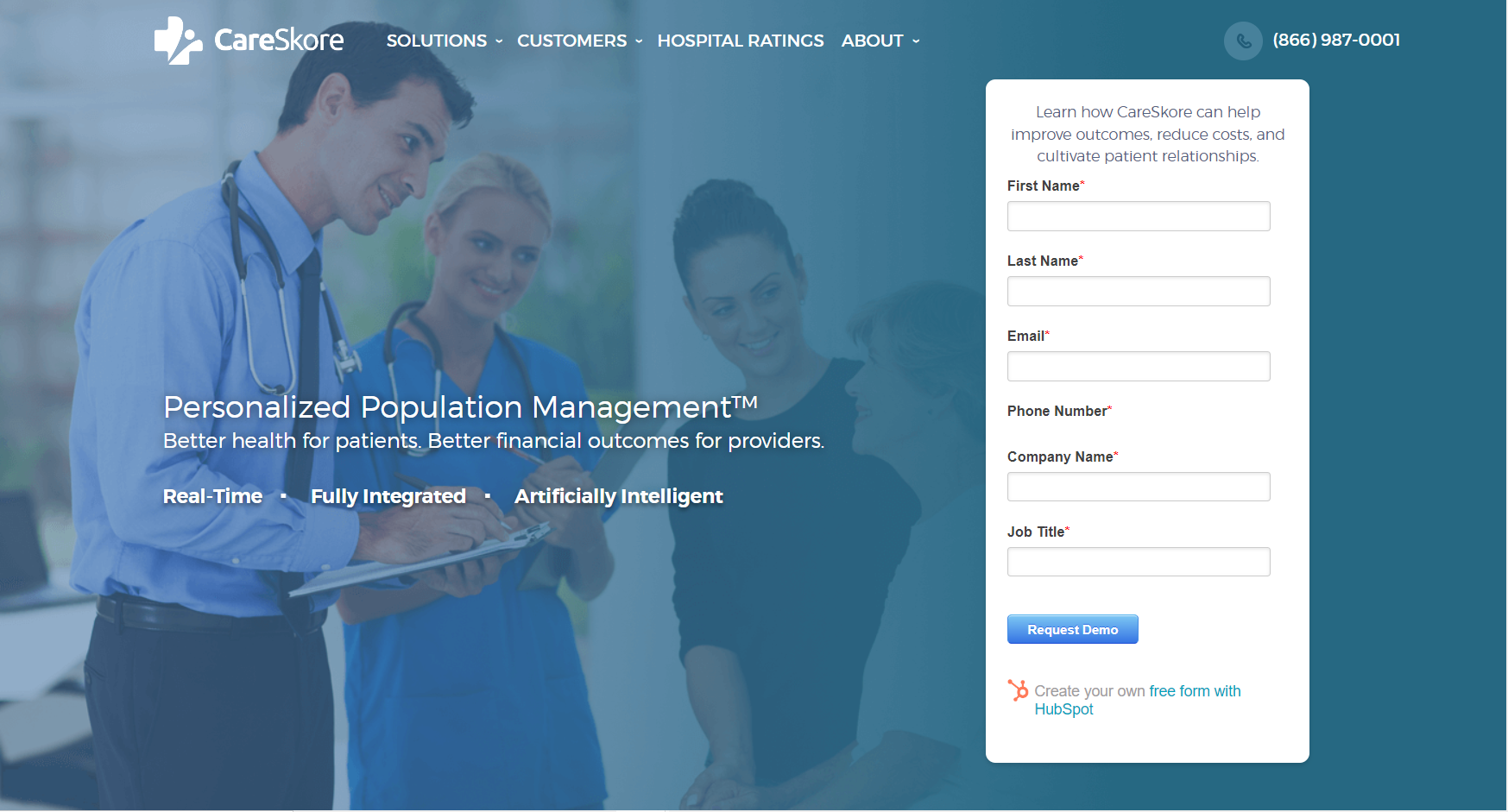
Careskore is an AI-powered app designed for customized patient care management. By analyzing data for predictive insights and optimizing care plans, Careskore enhances patient engagement through tailored interventions, improving health outcomes.
2. Binah.ai
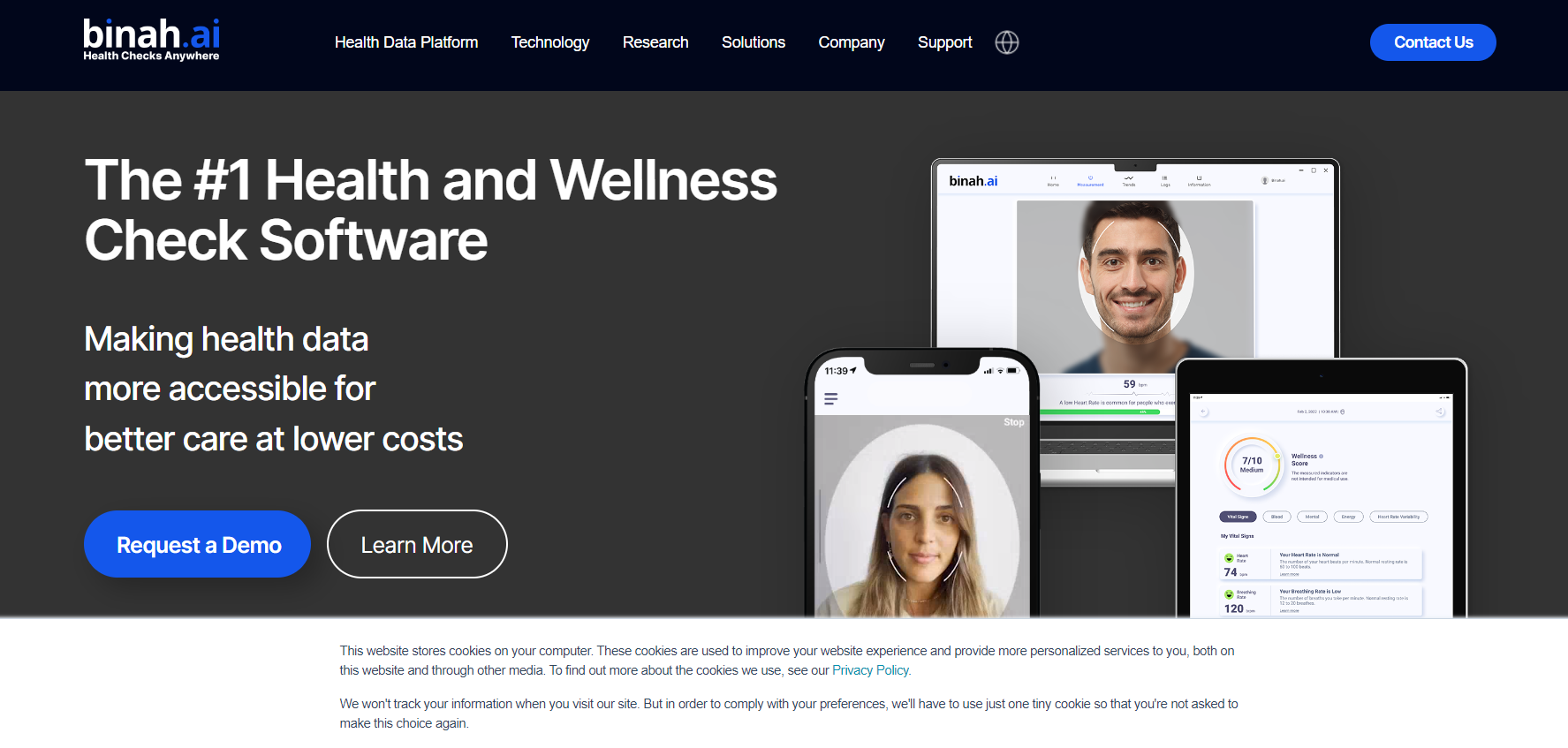
Binah.ai is an AI app that uses smartphone cameras to measure vital signs such as heart and respiration. This technology enables remote patient monitoring and telehealth consultations, expanding access to healthcare services and improving patient convenience.
3. Youper
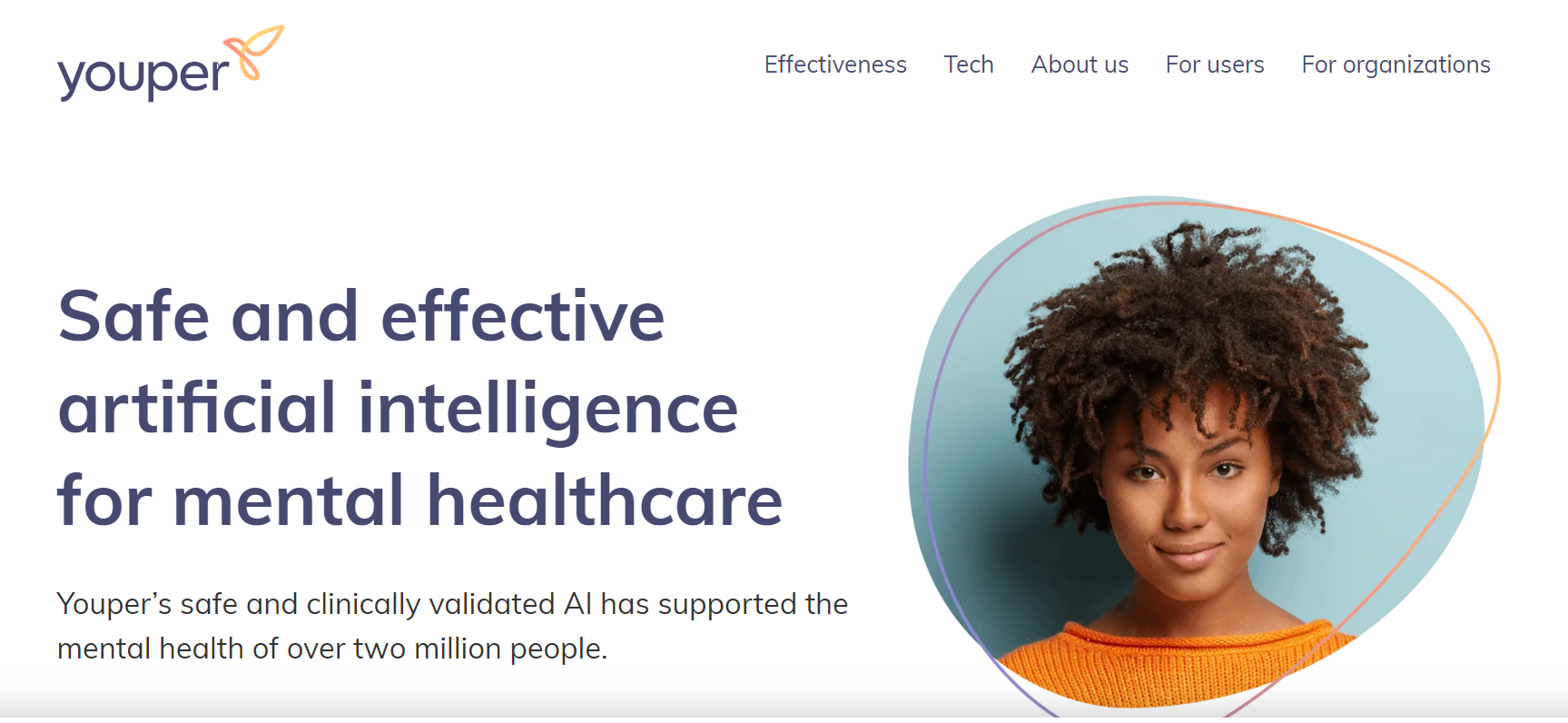
Youper is an AI-powered emotional health assistant that provides personalized emotional support through conversations. With features like mood tracking, guided meditation, and cognitive-behavioral techniques, Youper helps individuals manage their emotional well-being effectively.
4. Happify

Happify is an AI-driven app focused on improving emotional well-being. By integrating positive psychology, cognitive-behavioral therapy (CBT), and mindfulness techniques, Happify offers stress reduction and resilience-building activities, empowering individuals to lead happier and healthier lives.
5. Sensely
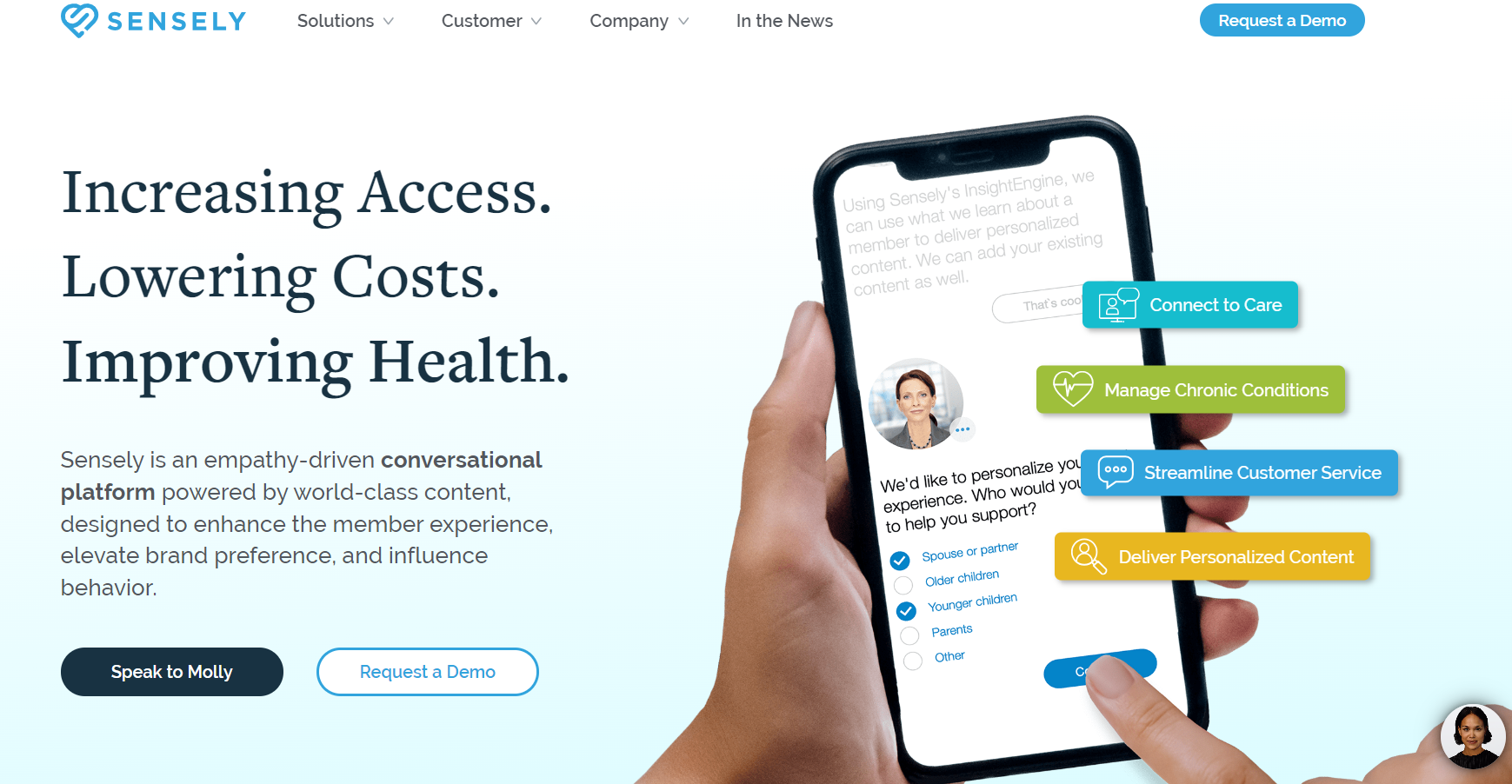
Sensely is an AI-powered healthcare platform that facilitates virtual interactions between patients and healthcare providers. With features like video consultations, personalized assessments, and reminders, Sensely enhances patient care through its AI chatbot interface, allowing for efficient symptom assessments and improved healthcare delivery.
5 Benefits of AI in Healthcare
The integration of AI into healthcare systems brings forth numerous advantages that have the potential to transform patient care and improve overall healthcare delivery. Let's explore some key benefits:
1. Improved Efficiency and Productivity
By automating tasks and streamlining processes, AI enhances workflow efficiency, leading to faster decision-making and optimized resource utilization. This enables healthcare professionals to focus more on patient care and improve productivity.
2. Enhanced Diagnosis and Treatment
AI algorithms allow accurate diagnosis and personalized treatment planning, ensuring timely interventions and optimized treatment options. The key advantages of AI-powered diagnostics and therapies are early disease detection and improved treatment outcomes.
3. Cost Reduction and Resource Management
AI helps healthcare organizations optimize resource allocation, identify inefficiencies, and predict maintenance needs. By reducing costs and enhancing resource management, AI contributes to the overall sustainability of healthcare systems.
4. Advanced Data Analysis and Insights
The ability of AI to analyze complex datasets enables healthcare professionals to uncover valuable trends and patterns. These insights aid in developing personalized treatments, preventive strategies, and evidence-based medical decisions.
5. Enhanced Patient Experience and Engagement
AI-powered virtual assistants provide 24/7 patient support, ensuring continuous engagement and personalized recommendations. Additionally, remote monitoring facilitated by AI technology allows for real-time health tracking and early intervention, improving the overall patient experience.
5 Challenges of Implementing AI in Healthcare
While the potential benefits of AI in healthcare are vast, the implementation of AI technologies also poses certain challenges that need to be addressed for successful integration and adoption. Let's discuss some key challenges:
1. Data Privacy and Security
Protecting patient privacy and ensuring data security are critical considerations in implementing AI in healthcare. Compliance with data protection regulations, preventing unauthorized access, and addressing potential breaches are essential to maintain patient trust and confidentiality.
2. Integration and Interoperability
Integrating AI systems with existing healthcare infrastructure and achieving platform interoperability present challenges. Standardization and the development of data-sharing protocols are necessary to ensure seamless integration and effective collaboration among healthcare providers.
3. Regulatory and Ethical Issues
Compliance with regulations and ethical guidelines is crucial when deploying AI technologies in healthcare. Transparency and interpretability of AI systems, accountability for AI-generated decisions, and the responsible use of sensitive health information are vital considerations in maintaining trust and ethical practice.
4. Lack of Sufficient and Quality Data
Accessing diverse and high-quality datasets is essential for training AI algorithms effectively. However, limitations in data collection, storage, and biases can hinder the progress of AI applications. Addressing these limitations and ensuring data quality is critical for achieving accurate and reliable AI solutions.
5. Workflow Integration and Adoption
Integrating AI technologies into existing healthcare workflows can take time and effort. Educating and training healthcare professionals on AI usage, overcoming resistance to change, and addressing job displacement concerns are important considerations when implementing AI in healthcare. It is crucial to ensure that healthcare professionals are well-equipped to embrace AI technologies and understand their potential benefits to drive successful adoption.
Overcoming Challenges and Considerations
While challenges exist, overcoming them is essential to harness AI's transformative potential in healthcare fully. Here are some key strategies to address the challenges and considerations associated with AI implementation:
- Collaboration between Healthcare and AI Experts: Collaboration between healthcare providers and AI experts is vital for successful integration. Healthcare professionals bring domain knowledge and understand clinical needs, while AI experts offer technical expertise. This collaboration enables the designing and developing of tailored AI solutions that address specific clinical challenges.
- Robust Data Governance and Infrastructure: Establishing powerful frameworks and infrastructure is crucial for maintaining data integrity, privacy, and security in AI applications. Healthcare organizations should implement stringent protocols to ensure data quality, standardization, and regulatory compliance.
- Ethical Frameworks and Guidelines: Ethical frameworks and guidelines are pivotal in guiding the responsible use of AI in healthcare. They address concerns about fairness, transparency, privacy, and protecting sensitive health information. Adhering to these frameworks ensures that AI algorithms operate ethically and respect patient autonomy and informed consent.
The Transformative Potential of AI in Healthcare
Artificial Intelligence has the potential to revolutionize healthcare delivery, improve patient outcomes, and enhance medical research. With its ability to enhance efficiency, accuracy, and resource management, AI is poised to transform the healthcare industry. By leveraging advanced algorithms, AI offers personalized treatment options, enables early disease detection, and optimizes clinical decision-making. Furthermore, AI applications in administrative support streamline workflows and enhance patient experiences.
AI in healthcare has challenges, including data privacy and security concerns, integration and interoperability issues, regulatory and ethical considerations, data limitations, and workflow integration. However, by addressing these challenges through collaboration, robust governance, and adherence to ethical guidelines, the full potential of AI in healthcare can be realized.
In conclusion, the transformative potential of AI in healthcare is immense. With its applications ranging from enhanced diagnostics to personalized medicine, predictive analytics, and administrative support, AI has the power to revolutionize healthcare systems worldwide. By overcoming challenges and considering ethical implications, we can harness the benefits of AI and pave the way for a future where healthcare is more efficient, accurate, and patient-centered.