
Despite the availability of cheaper options like white-label app development, custom software development still remains the most preferred option for businesses in 2021. Custom software addresses the unique needs of your users and helps you get a variety of utilities from just one software. It also gives your brand a unique identity and creates a stronger brand image by providing your users with efficient digital solutions. However, building custom software isn’t an easy task, nor is it very light on the pocket. So here’s a detailed guide on how to reduce software development costs while still building quality software..
Table of Content
- Plan the entire software development project thoroughly
- Document the requirements of your software with great detail and accuracy
- Don’t take schedule planning lightly
- Consult experts to decide on the technology stack for your software
- Take the practical approach to prioritize features for custom software development
- Outsource custom software development to the right team
- Start with testing in the early stages of development
The Bottom Line
1. Plan the entire software development project thoroughly

Most projects that lead to higher costs have one common pitfall: budgeting first and planning later.
If you begin software development planning based on a pre-decided budget, you will certainly either cross the estimate or you’d end up building software that isn’t the right fit for you.
So before you begin to budget your project, plan everything involved in the project thoroughly.
The right way to do this is to involve all the stakeholders and take their inputs on the software goals and vision.
This should be able to help you define the exact problem your software is intended to solve.
After you have defined the problem, get insights into the behavioral patterns of your target audience and figure out how they want their problem to be solved.
Finally, you will have answers to what your software should be like and what it will achieve for both - the customers and your business.
Then, break down these goals into smaller development tasks and allocate time and budget estimates to these tasks.
At this point finally, you will be able to create a budget for your software project and arrive at a realistic timeline for the same.
Pro-tip for project planning: Always keep the future goals of the project in mind while you plan your project. If you want your software to scale in the future or adapt to the evolving ecosystem, your software architecture should be built in a way that can accommodate these future requirements easily.
2. Document the requirements of your software with great detail and accuracy

Probably the easiest way to reduce software development costs is to eliminate any chances of ambiguity on how you want your software to be built.
You can do this by creating a robust Software Requirements Specification (SRS document).
In the absence of a clear SRS document, the chances of miscommunication or misinterpretation of your requirements are quite high. And the consequences of these misunderstandings can lead to a much higher development cost than you have anticipated.
Here are a few things that can happen when your software requirements are not specific:
- UX design that doesn’t match your target audience’s navigational patterns
- Inclusion of some features that aren’t necessary
- Exclusion of some of the most essential features
- Lower business value than expected
- The software doesn’t serve the end goal as planned
When any of the above things happen, you will have to rework certain parts of your software. The result? Increased costs and delayed time to market.
However, don’t forget that any software is bound to require newer requirements or changes while the actual development is going on.
For a small to mid-sized software project, the estimated development time is generally four to eight months. You should be prepared to expect two to five percent additional development per month in response to changes in requirements.
Pro-tip for documenting requirements: Have a change control system in place. It’s basically a system to identify, document, analyze and authorize any change in the software project. This will help you calculate and optimize the impact each change will have on the project schedule with the help of the authorized expert.
3. Don’t take schedule planning lightly
The schedule planning of your software project depends on how important the time to market for your software is.
If time to market is an absolute need, it will have a bearing on the kind of tools you use and the kind of features you build.
For example, if your goal is to test the product-market fit of your idea, you can choose to use tools that facilitate the quick building of an MVP. The number of design and development hours will be fewer and your schedule planning will have to be done keeping the minimum requirements in mind.
However, if this MVP works really well and you want to scale it in the future, the costs of expanding the architecture and building new features will be very high. You might also require to rebuild certain parts of the application from scratch.
On the other hand, if you are under no pressure of a quick time to market, take up schedule planning with as much attention to detail as you can.
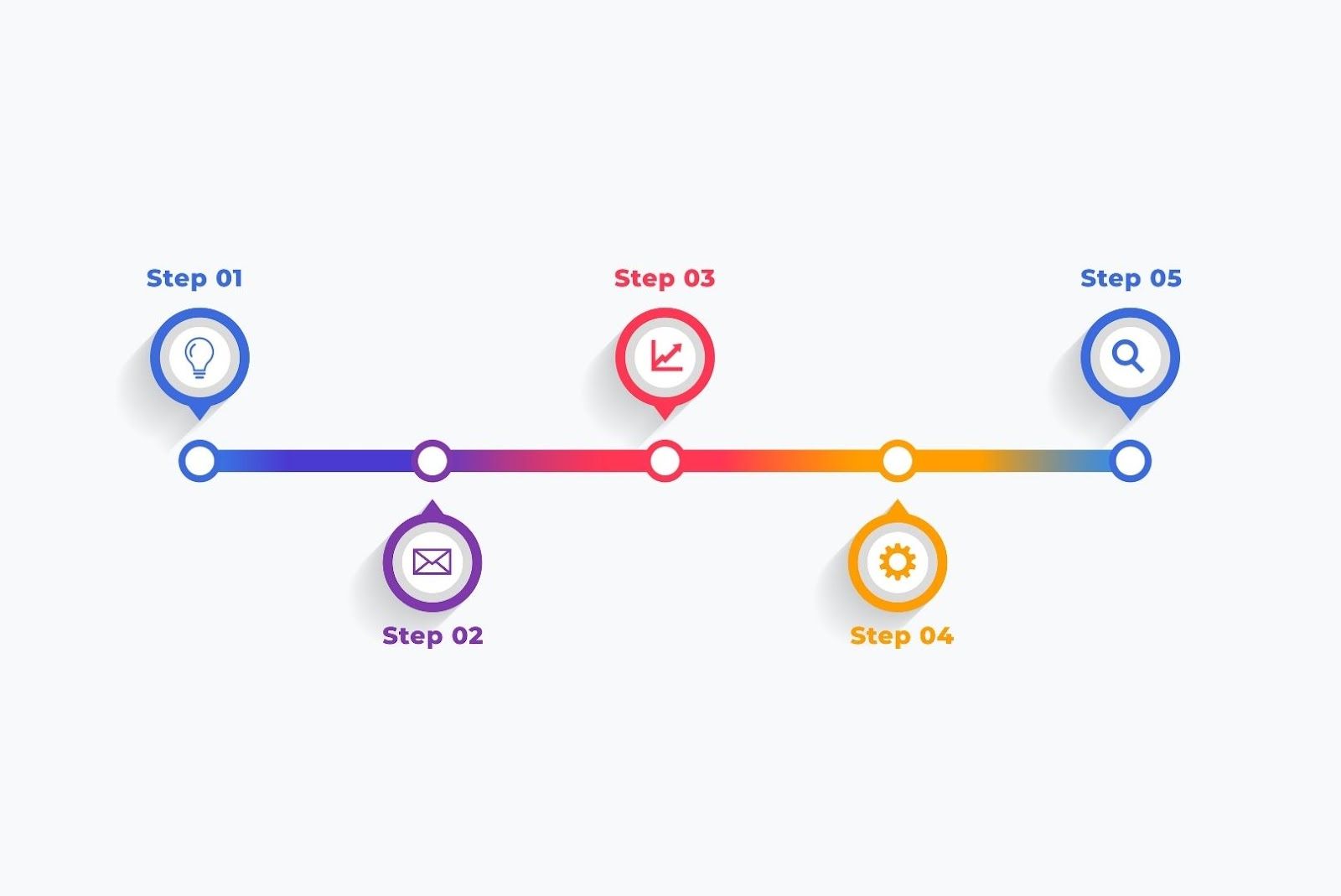
Based on your software requirements specification document, do the following while planning schedules:
- Identify and list all the tasks that need to be done during the project.
- Next, establish the right sequence of these tasks considering their inter-dependence.
- Using a priority matrix, group the sequence of tasks into urgent vs non-urgent
- Assign resources and budget to each group of tasks and establish weekly or biweekly milestones
A meticulous schedule planning will help you optimize your development hours and thus, reduce software development costs.
4. Consult experts to decide on the technology stack for your software
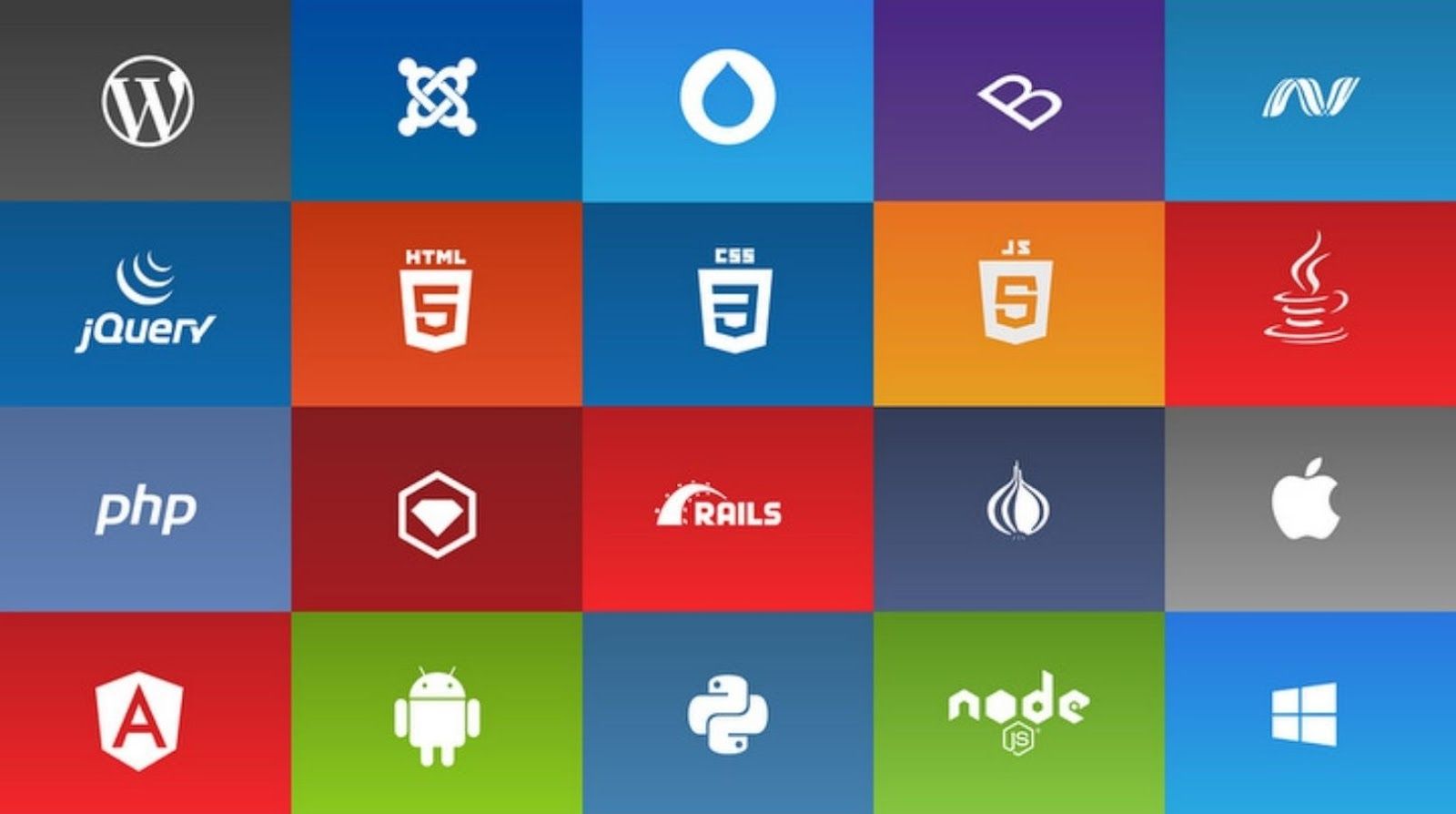
The technologies used to build software also have a significant bearing on the development cost. Therefore, choosing the right tech stack is important to reduce software development costs.
Whether it’s the front end or the back end, you should keep certain things in mind while choosing the right technologies for each one.
Strictly from the costing perspective, the very first thing you should consider is whether open-source tools can be used to build certain parts of your software. Most open-source tools are free to use, so you have a clear cost advantage there.
Next, look for technologies that are built or supported by trusted vendors. For example, Angular and React are two huge front-end tools supported by Google and Facebook, respectively. This is important to ensure that the tools you have used in your software don’t suddenly vanish in thin air.
A third important consideration is a community around the technologies you choose to use. For example, if you use JavaScript as the programming language, you won’t have trouble finding the developers for your project.
On the other hand, if you go for a less popular programming language like Rust, finding developers won’t be an easy task.
Lastly, try to use the technologies with an ecosystem of tools with easy to integrate packages. If you want to build your software in the least possible time, you will have to use third-party tools so that you don’t have to build every element of your software from scratch.
5. Take the practical approach to prioritize features for custom software development
Before I dive into this topic, I can’t help but share a hilarious (or probably tragic) quote about product management. It says,
“Whenever you see a good product with one ridiculous feature, chances are one of the C-level execs asked for it.”
I don’t remember who said it but I find it wildly relatable! I have worked as a CTO for so many years and every year, we come across at least one potential client who “feels” that the software should have that feature.
A big no!
Always stick to practical methods when it comes to prioritizing features for your custom software.
Here’s a simple technique to do so easily.
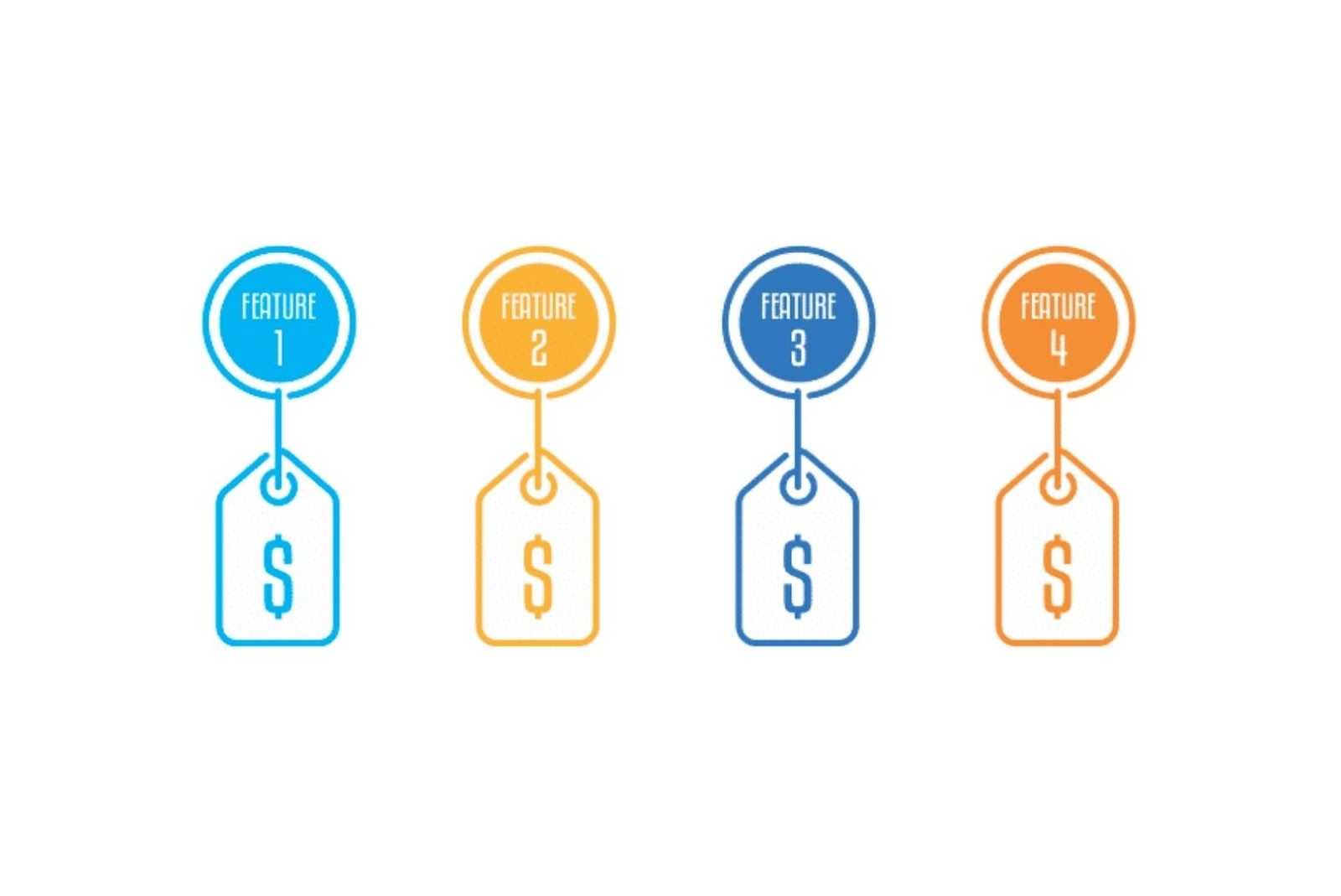
Break down the suggested features into three objective categories namely Feasibility, Desirability, and Viability.
Feasibility: Talk to your technical experts and evaluate each feature on how feasible it is to build it with your existing resources.
Desirability: Consult your marketing team to understand how each feature ranks on desirability by the target audience.
VIability: It’s vital to understand how each feature fits in your overall business strategy, your software goals, and the trends in the market.
The above methodology will most likely help you narrow down the important features. Next, it’s time to judge which ones should be built first and which ones later.
To figure this out, weigh the impact of a feature on your software development goals against the effort involved in building it. You can create a grid with these details as shown below:
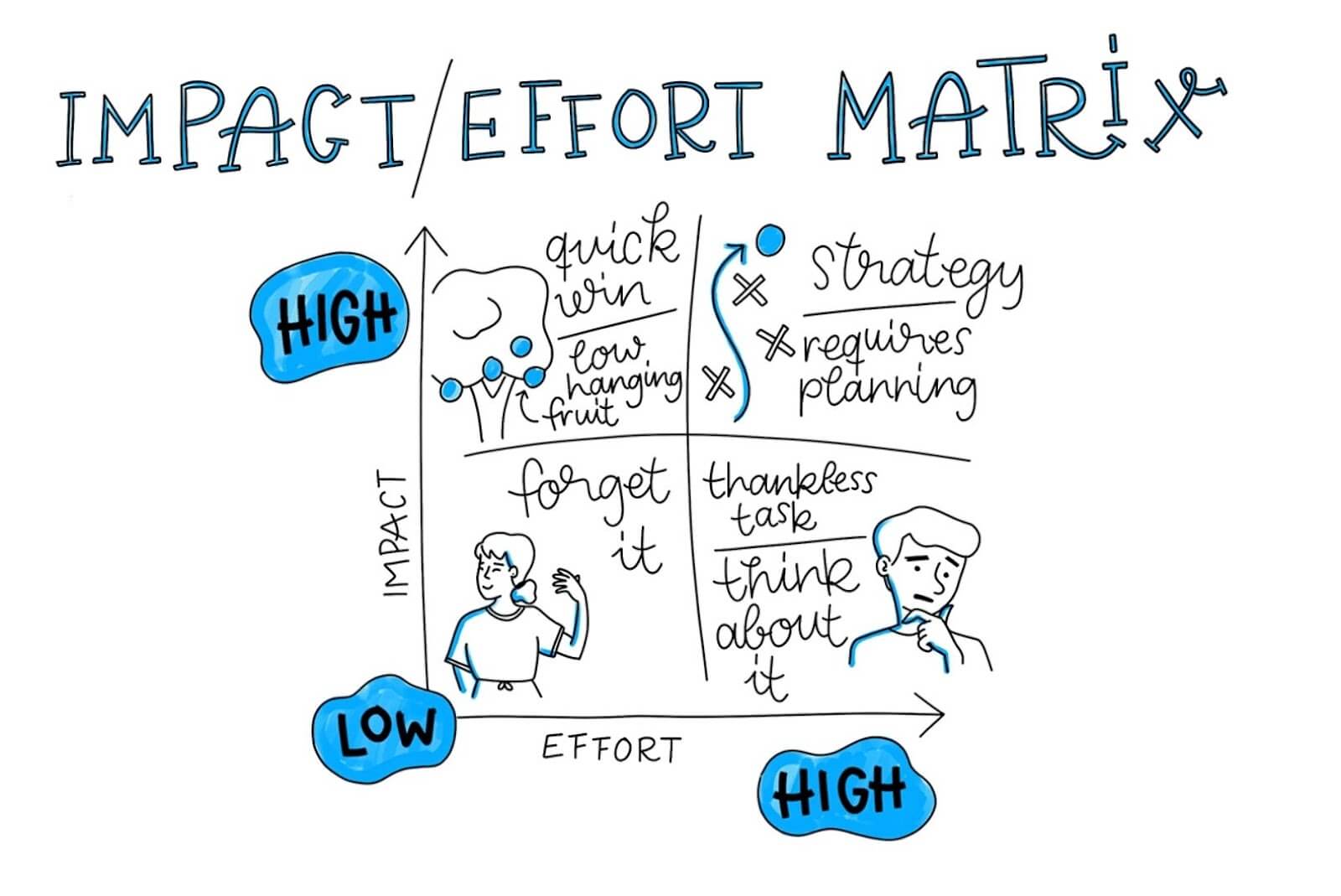
These techniques will help you reduce software development costs significantly.
6. Outsource custom software development to the right team

One of the best solutions for how to reduce software development costs is to outsource the development to third-party agencies.
There are several factors that increase the cost of development if you don’t outsource it. Here are some of them:
Cost of hiring in-house engineering professionals
When you decide to carry out software development in-house, you will have to hire professionals for all kinds of tasks. For example, you will need business analysts, designers, developers, testers, project managers, and more.
In-house talent in western regions like the USA costs much higher than those in eastern regions like Asia. In addition to providing fixed monthly salaries, your costs will also increase by the means of perks, benefits, paid time off, etc.
On the other hand, you can reduce your software development cost by a great margin if you outsource the job to companies in regions like India. The average hourly development rates in cheaper regions get you quality work with a 40% reduction in development costs.
Cost of setting up physical and software architecture
Software development is a really complex task that necessitates a certain kind of physical architecture. On top of that, you will also have to invest in procuring software tools and programs so that your team can build the software with ease.
These investments can prove to be very expensive for an affair that is not very regular.
But software development agencies have high ROI from these investments as they build software for a vast clientele. As a result, the per-unit cost is low for them and they can afford to reduce the cost of custom software development for you.
Software development agencies bring in expertise gained across industries
Although the biggest advantage of outsourcing software development the right way is the cost-saving advantage. However, some of the biggest companies with no budget restrictions also resort to outsourcing.
A developer working in-house has limited expertise when it comes to building products for different industries. On the other hand, a development team in an agency works for vastly different clients on quite a varied range of software solutions.
Hence, outsourcing development to an agency is a win-win situation that helps to not only reduce software development costs but also to build a highly efficient software solution.
Pro Tip for outsourcing software development: When shortlisting vendors for software outsourcing, evaluate their profiles on platforms like Clutch and GoodFirms. Reviews from clients there will help you gauge how each company stands as an option for your project.
7. Start with testing in the early stages of development

The source code of software has a major impact on a number of programming decisions. Particularly for custom software development, every programming decision contributes to the cost of building the software.
Any error, even the most trivial of the lot, can compound over time and cause major bottlenecks in the future. So it’s vital that you establish a quality control system and start testing every piece of code early on in the development cycle.
Smart testing goes a long way if you want to reduce software development costs.
Make sure that every code is reviewed and inspected on a routine basis. Plan for how much of automated and how much of manual testing is required for each phase of software development. Code reviews are an absolute must. But more importantly, you should know how to conduct code reviews the right way.
If you have decided to outsource your software project, make sure your development partner has a comprehensive quality control system in place. Always stay in touch with your development team on how they have tested each piece of software code as they progress further.
The Bottom Line
In a nutshell, planning and effective communication greatly help to reduce software development costs.
If you manage to account for 80% of your software requirements and budget accordingly, your costs are more likely to stay in check. Moreover, communication about the software goals and requirements with all the stakeholders will help you create an accurate roadmap for the entire project.
The major driving factor for software costs is the fees/salaries of your development team. So take the wiser route and outsource the development to an agency in cheaper regions like India.
The right development partner will not only deliver quality software but will also stay with you on the entire software journey so that you don’t have to worry about software upgrades and maintenance.
Planning to build a custom software for your business?
With vast industry experience and a versatile talent pool, we specialize in building cost-effective software that generates high ROI.
Book a free consultation call with usKrunal Shah
Krunal Shah is the CTO and Co-founder at Third Rock Techkno. With extensive experience gained over a decade, Krunal helps his clients build software solutions that stand out in the industry and are lighter on the pocket.
 | Let's connect!